If you are an art lover, Naoshima Island in Japan should be at the very top of your dream destination list. One thing to keep in mind, logistically it is not easy to find your way there but with a little help (from Zenses in our case) it is 1000% worth your while.
Our journey began in Kyoto (which you can read about here) when we boarded the Bullet Train to Okayama, the closest city in which to transfer to Naoshima Island via ferry. As it happened the train was delayed by about 45 minutes (a very rare occurrence ) thereby throwing off our well planned schedule. We had a driver picking us up at the train who tried to race us to the port in time, but alas we watched our ferry set sail without us; luckily there was another boat an hour later which would put our arrival just at sunset. We had allotted less than 24 hours on Naoshima, so every minute counted.
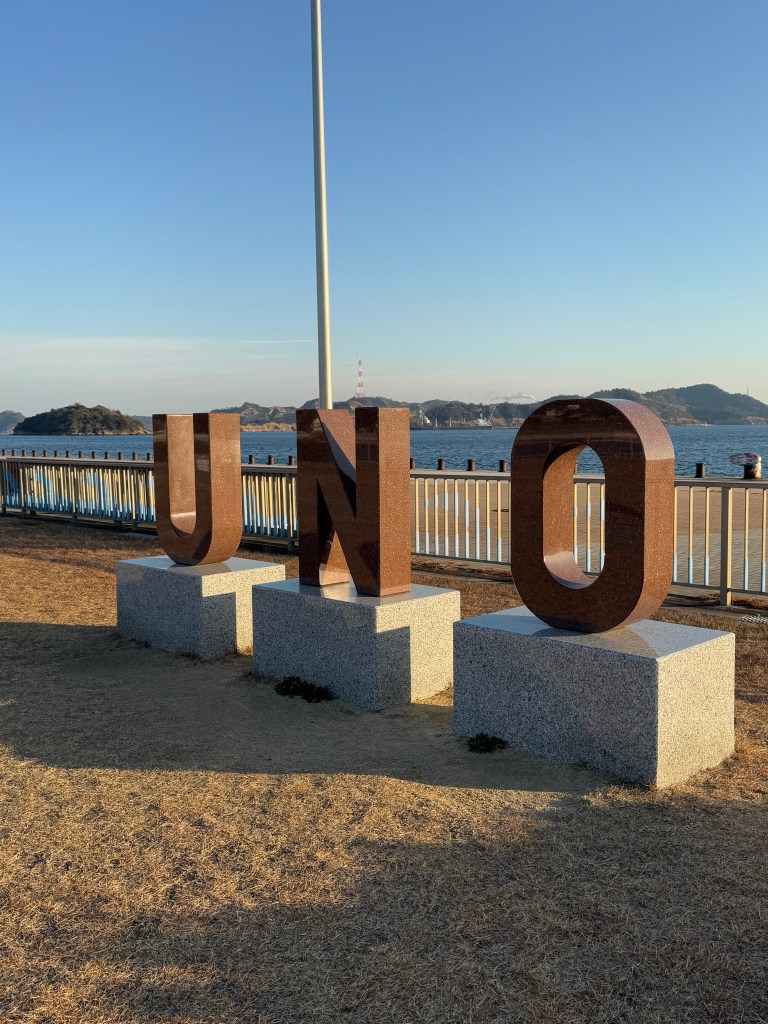
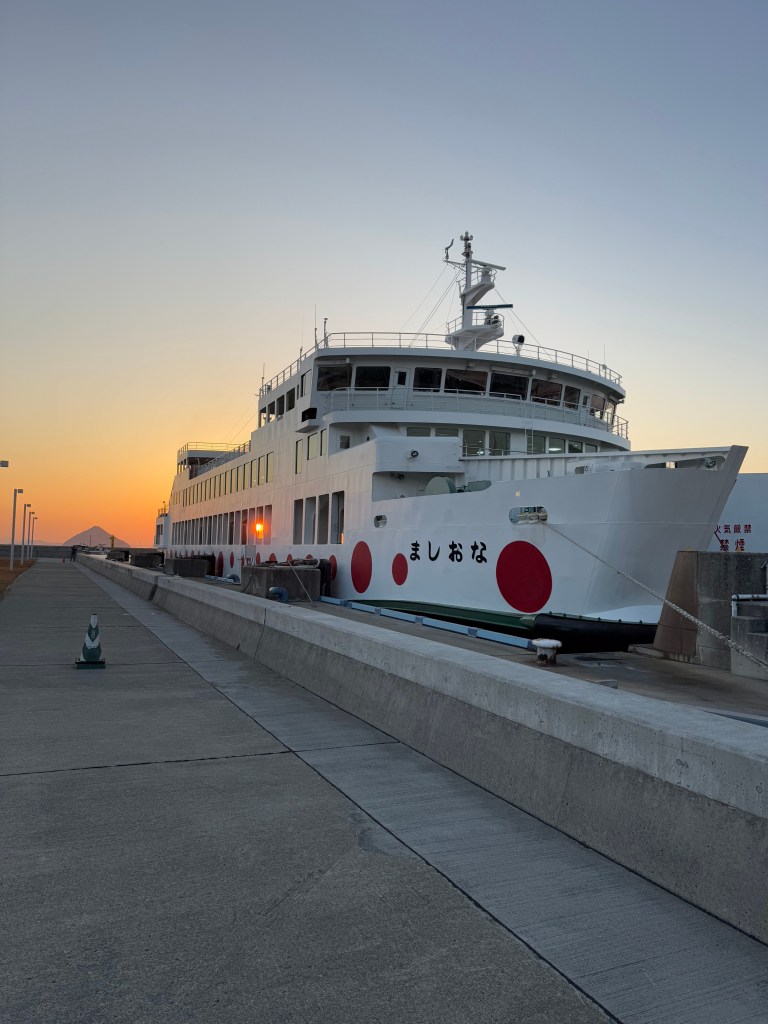
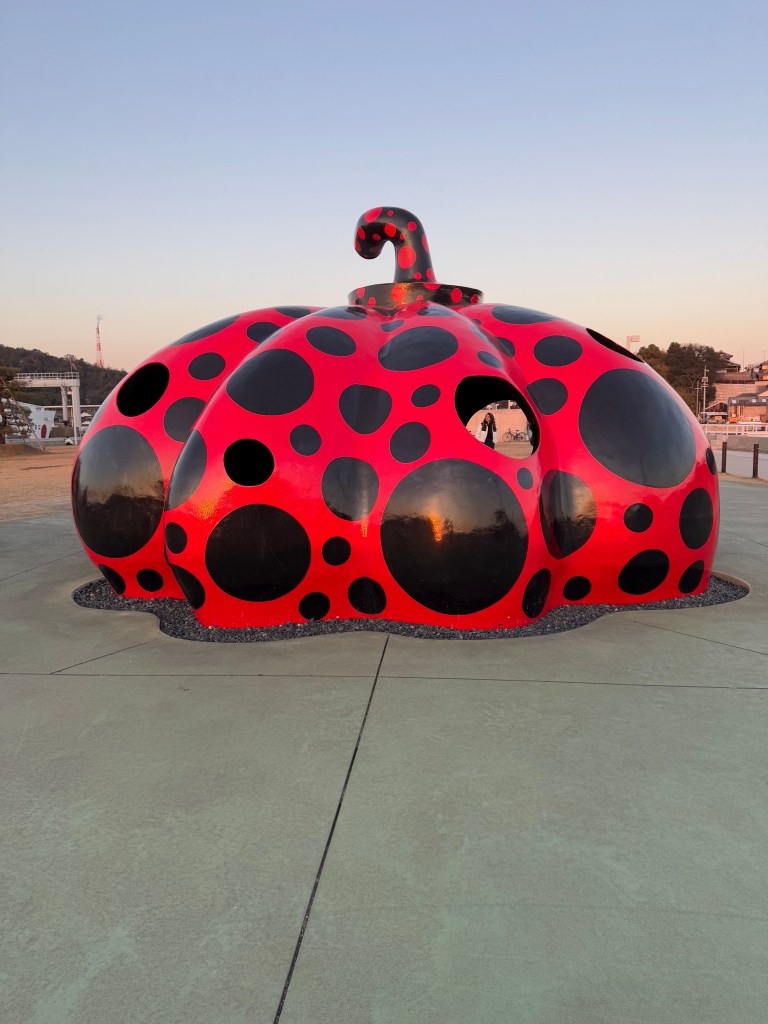
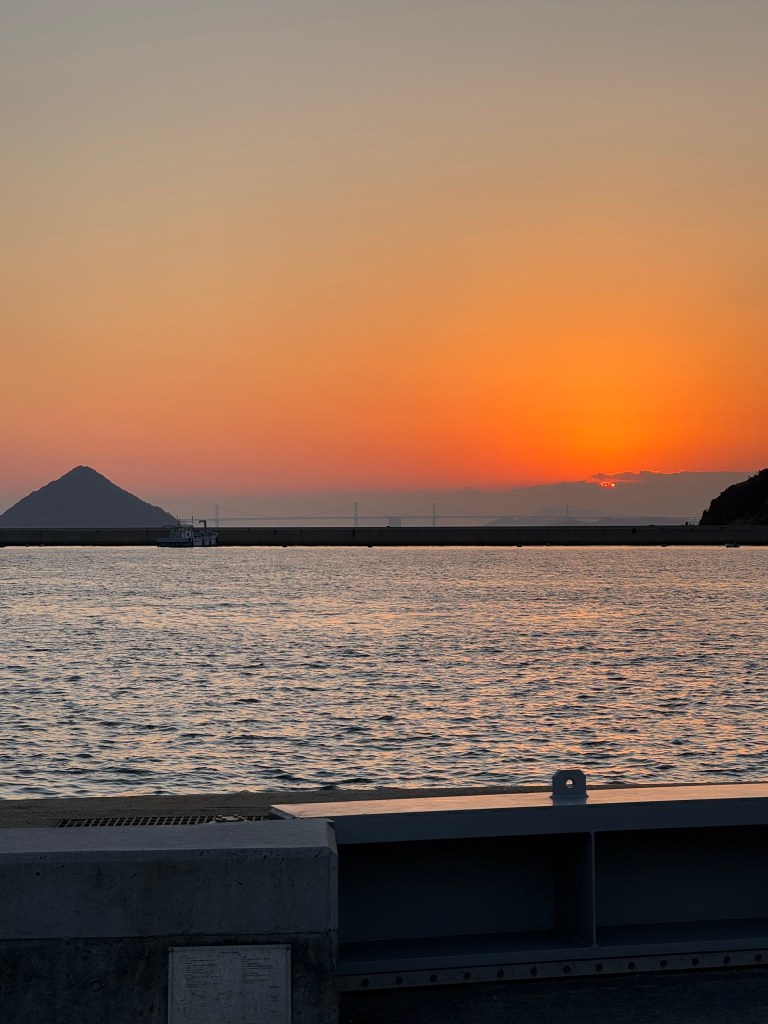
Our delay did enable us to walk around the Uno port before our ferry where we got a little taste of some fun art installations in anticipation of Naoshima. In keeping with the spirit even the outside of ferry is adorned with Yayoi Kusama’s signature red dots. Once we finally boarded we merely had time to settle in and enjoy a snack before it was time to disembark. We were greeted by one of Kusama’s iconic massive red pumpkins as well as a gorgeous sunset which was enough to make us anxious for what was yet to come.

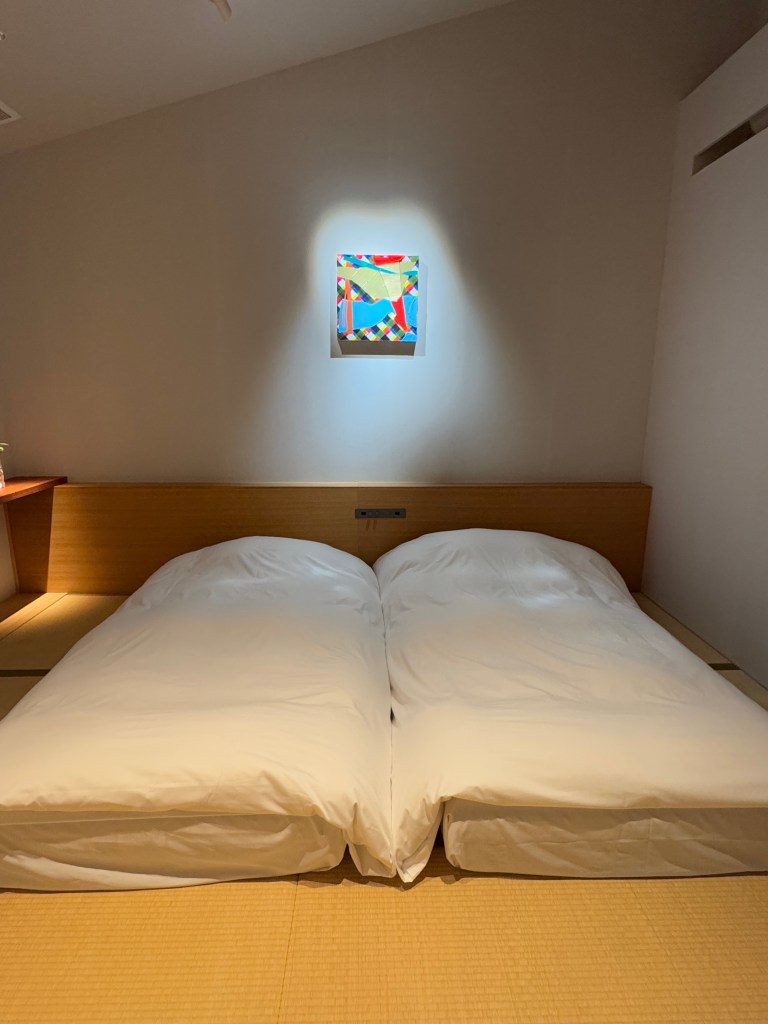
A note on accommodations on the very small island. The Benesse House Oval which is adjacent to the Benesse House Museum is the gold standard, with Benesse House Park a close second, these hotels afford the ultimate access to the Benesse Museum and enjoy fabulous views. In a move that my family has been teasing me about incessantly I instead opted to stay at the Ryokan Roka which is simple yet luxurious and incorporates the traditions of a Japanese Ryokan.

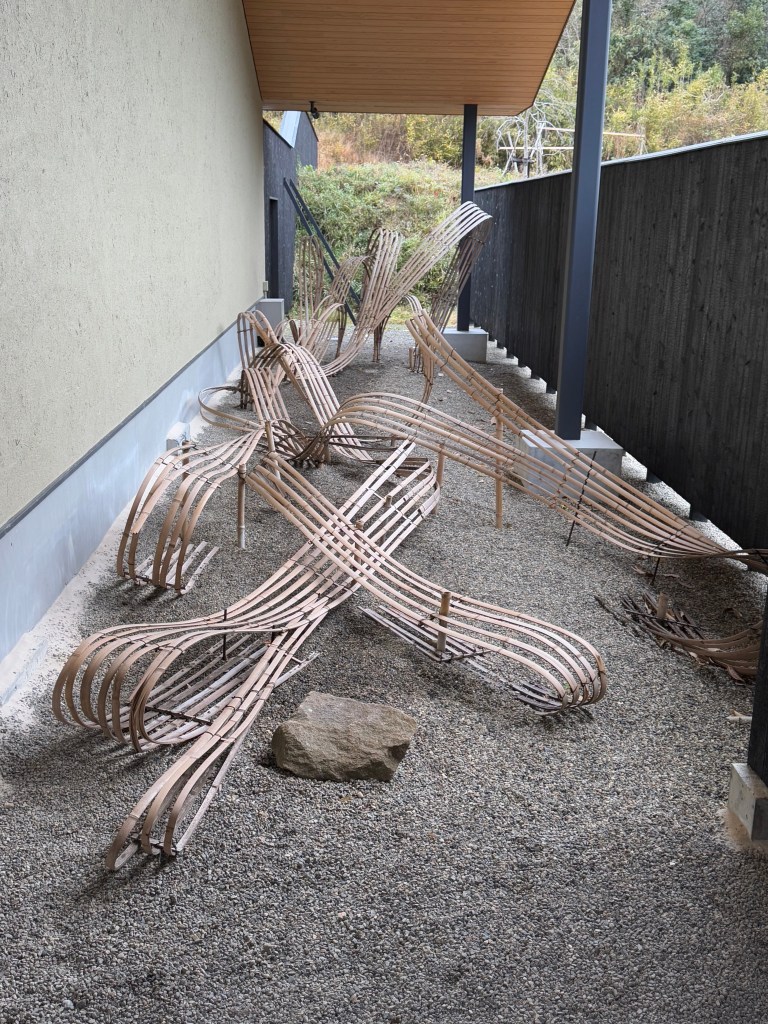
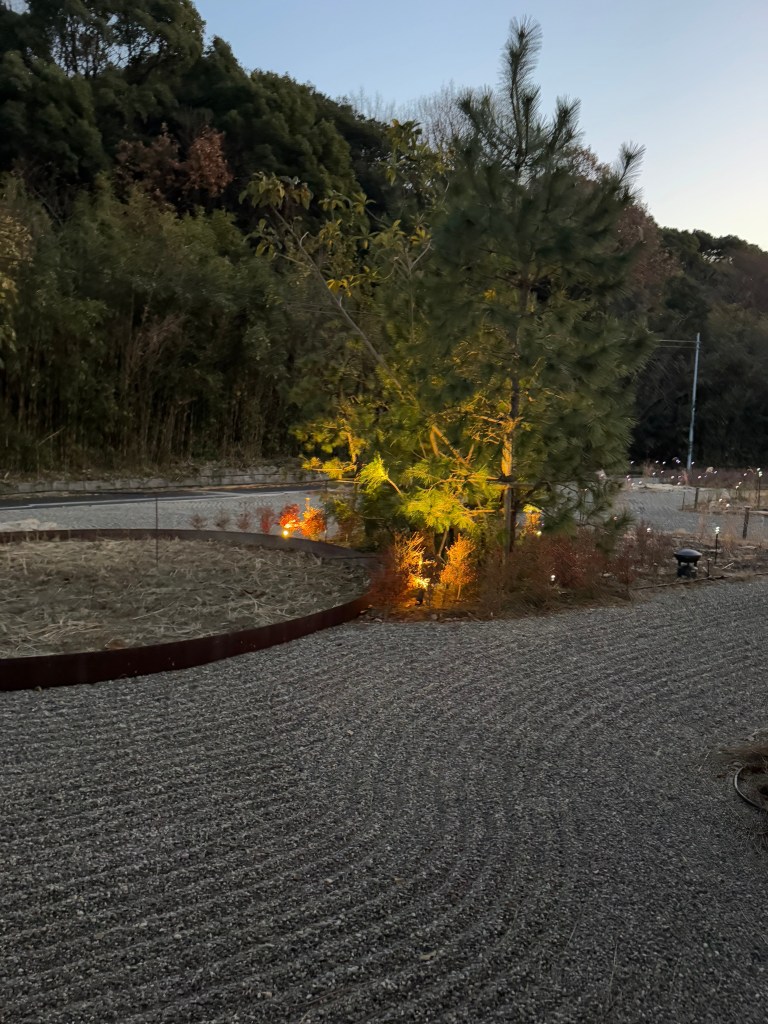
We had stayed at Ryokans during prior visits to Japan and this was our only opportunity on this trip to do so. The service and amenities were lovely, and the Kaiseki dinner which we enjoyed dressed in traditional yukatas (informal kimonos) was excellent. We also had the pleasure of long soaks in our private outdoor baths, but even given all this I would choose to book at The Benesse Oval next time (and I hope there is a next time)! Construction is also underway on a new 22 room Mandarin Oriental Ryokan set to open in 2027 which also may be a fabulous option.
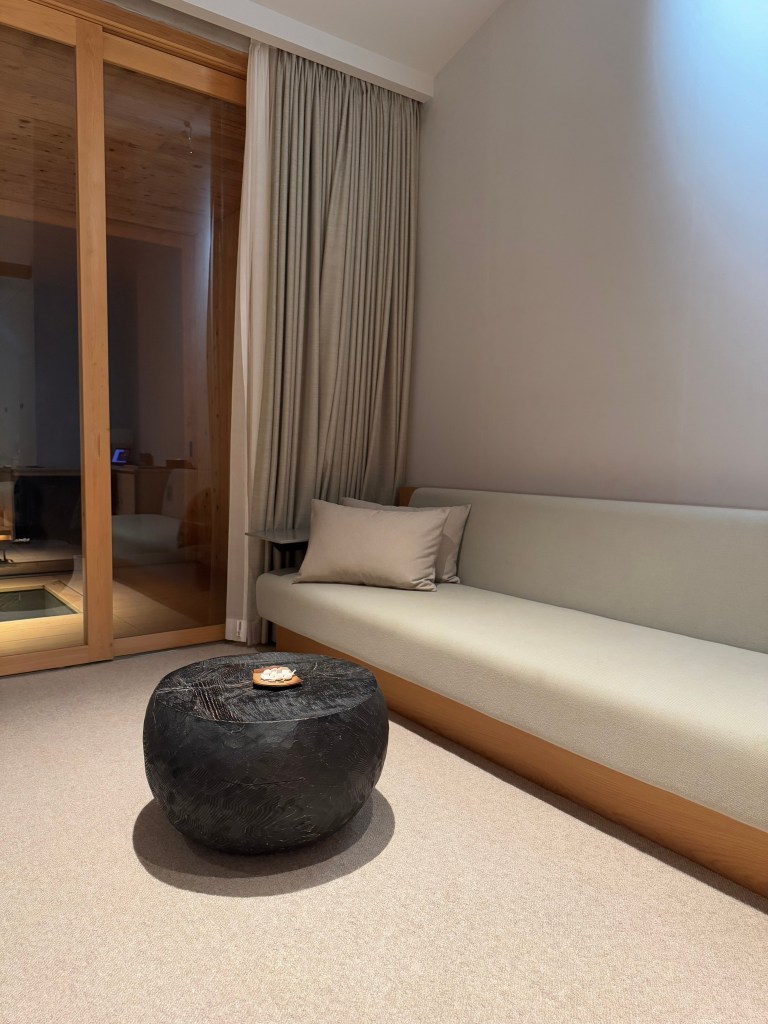
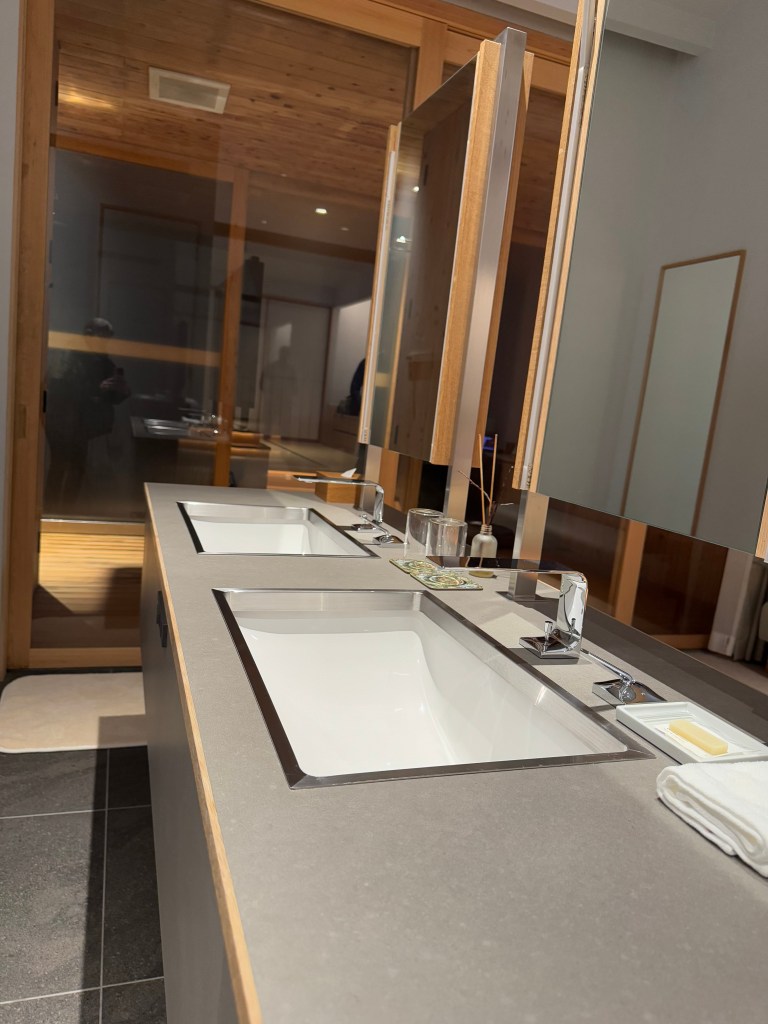
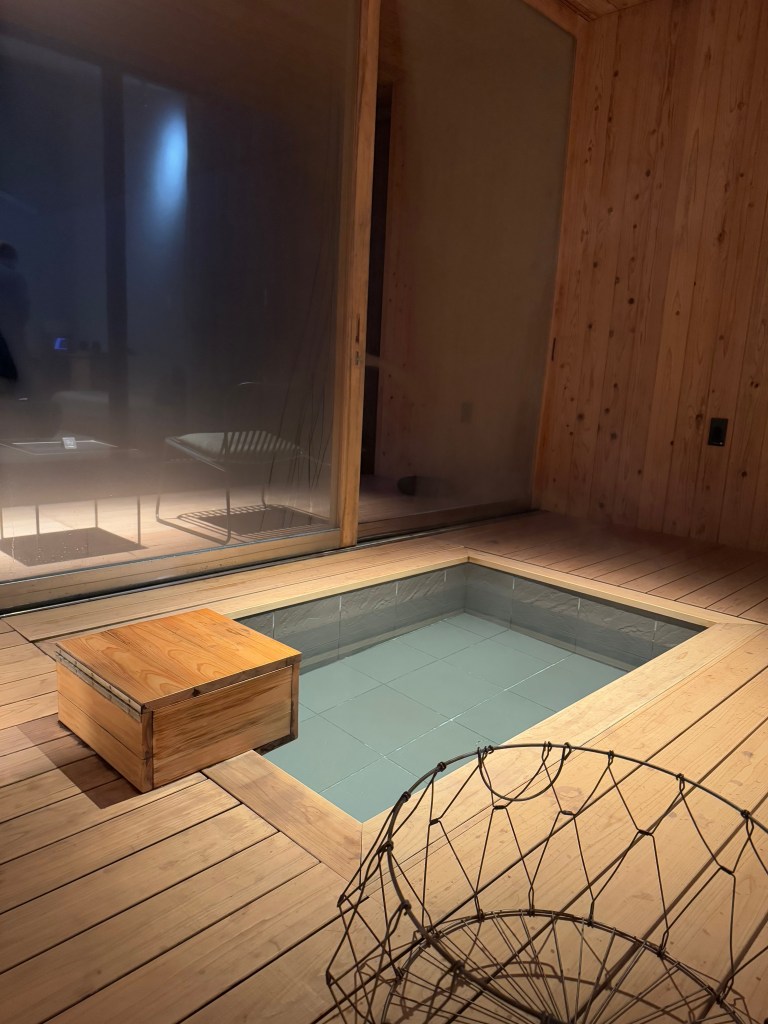
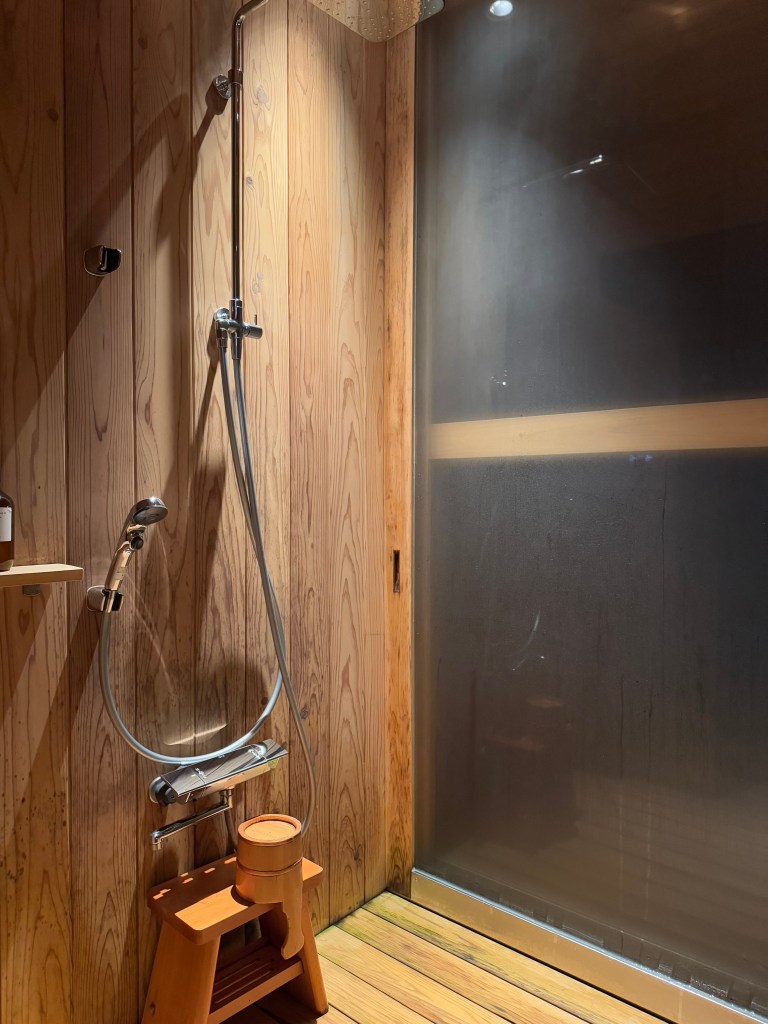
The dinner at the Ryokan was delicious, we enjoyed each and every course along with a terrific selection of sake. Ahead of your arrival an extensive checklist is sent out regarding allergies and food preferences because there can be no last minute accommodations on the island. The service and presentation was top quality, and the staff is multilingual as our fellow guests were from all over the world.
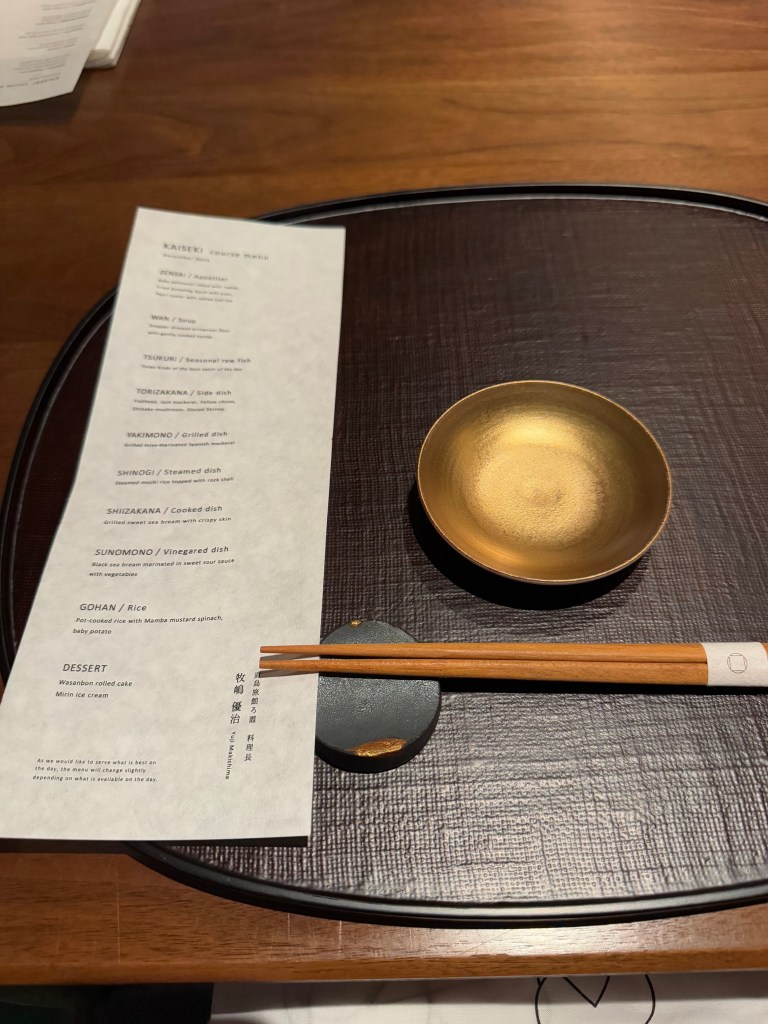
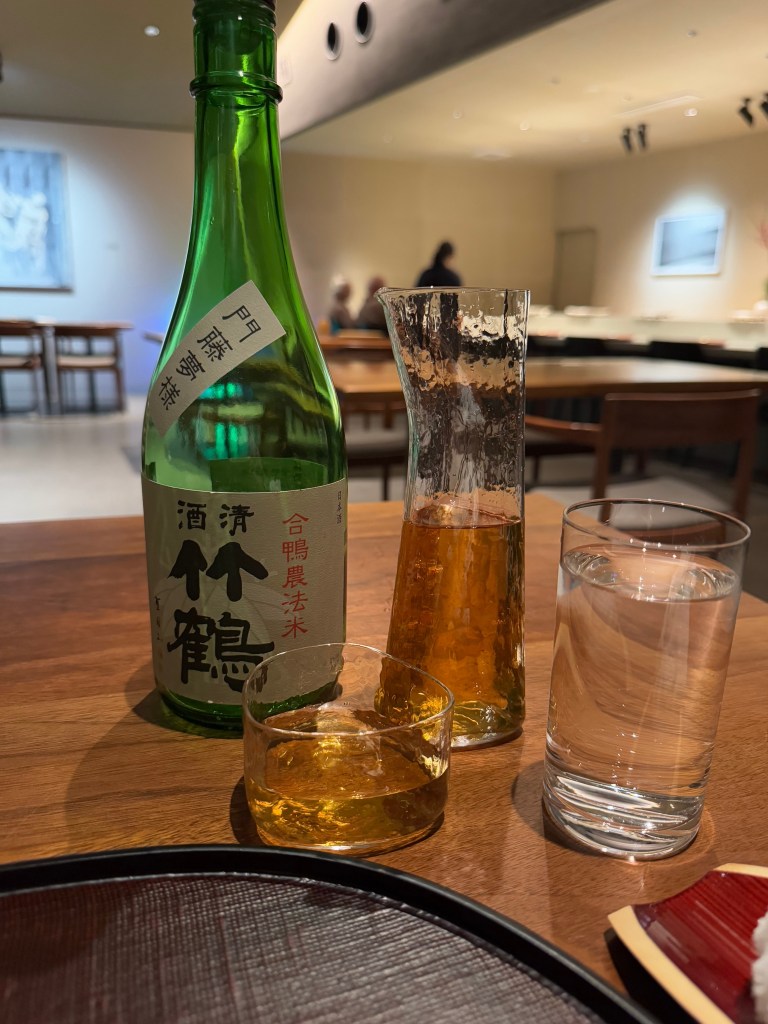
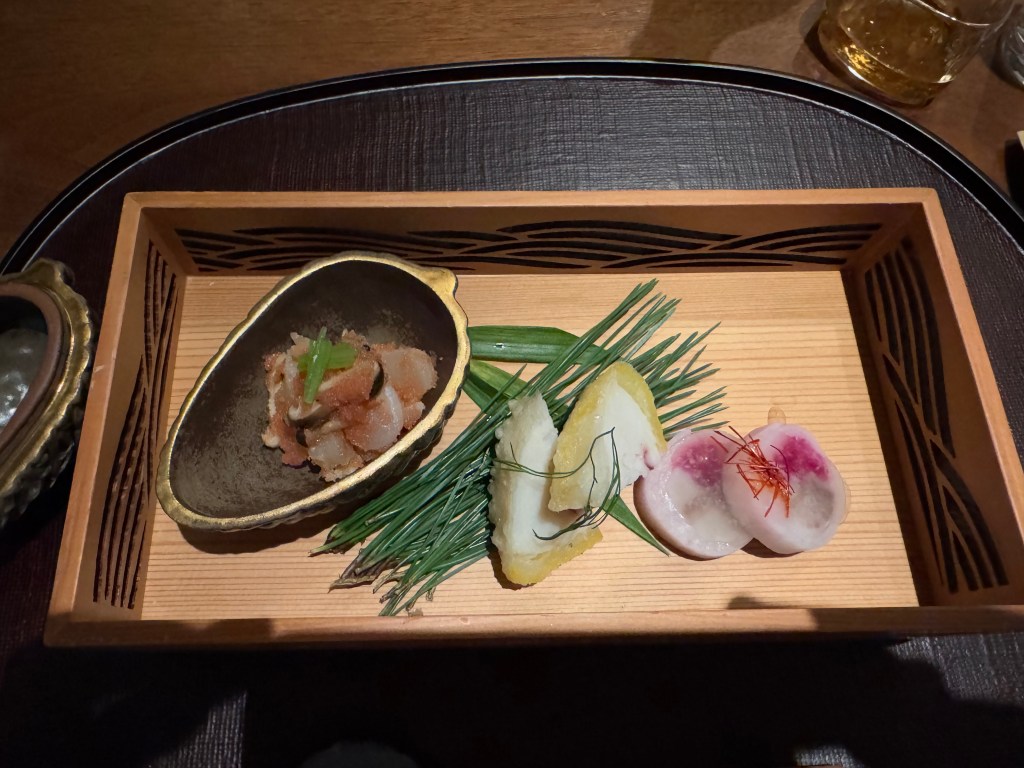

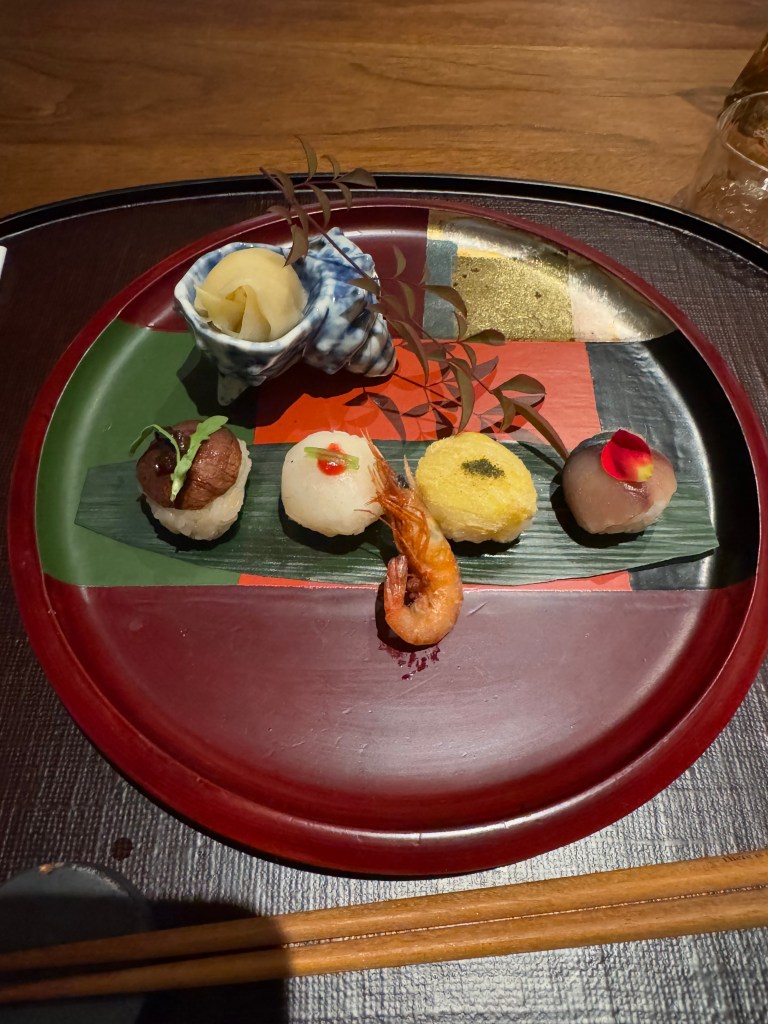

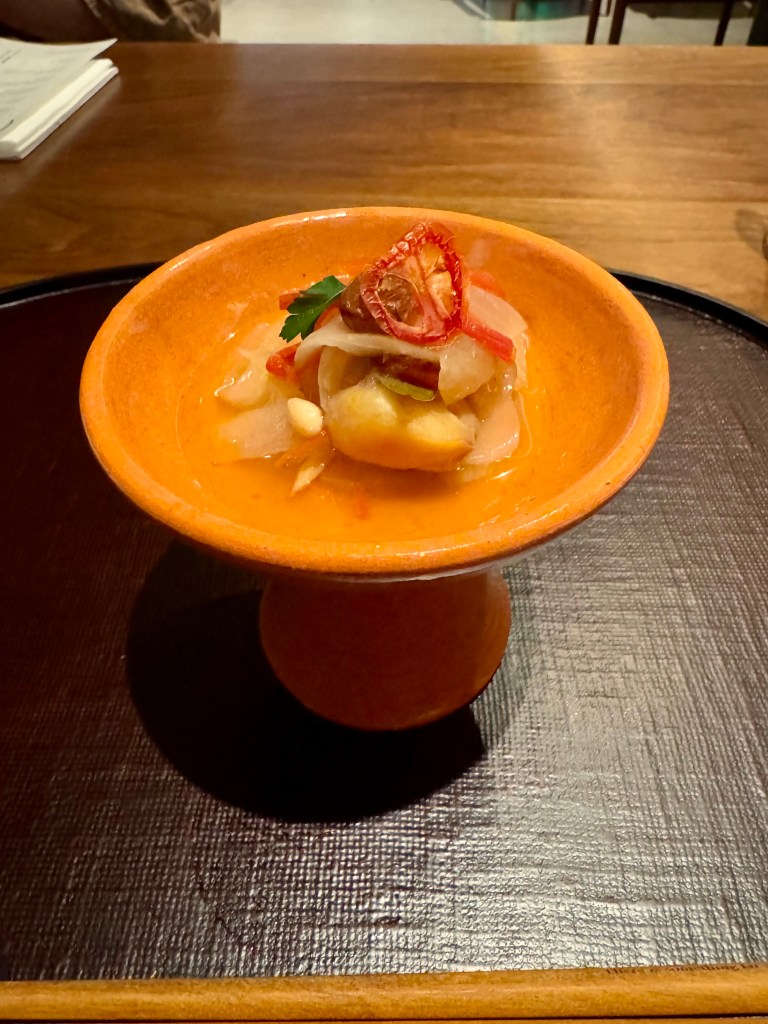
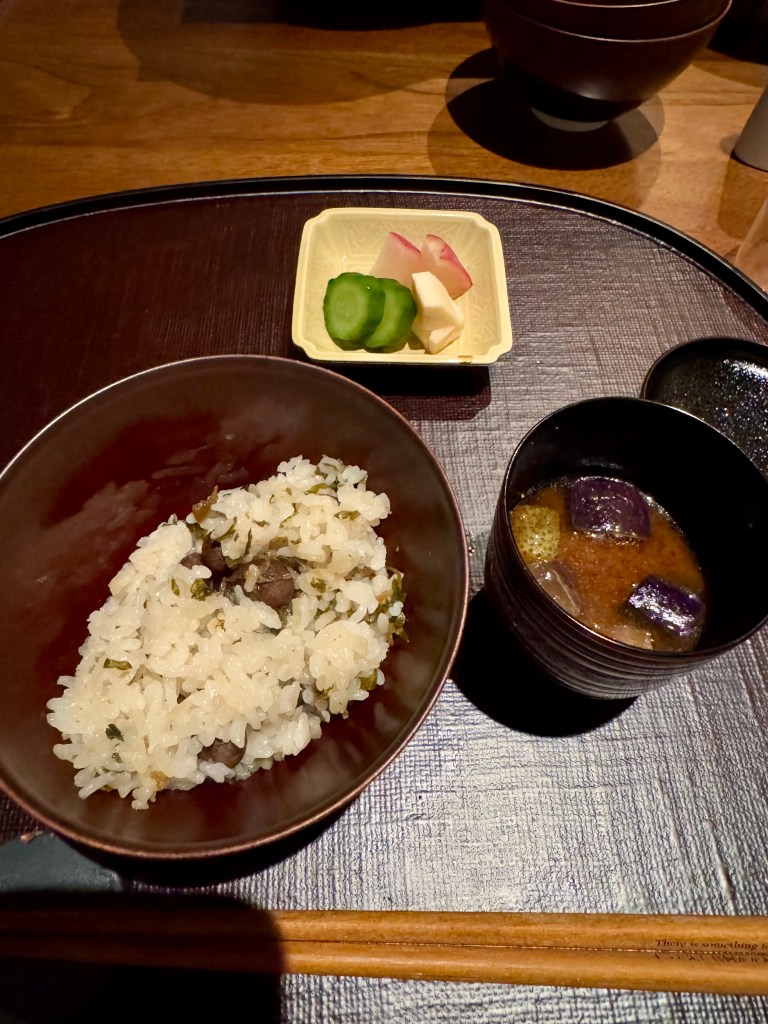
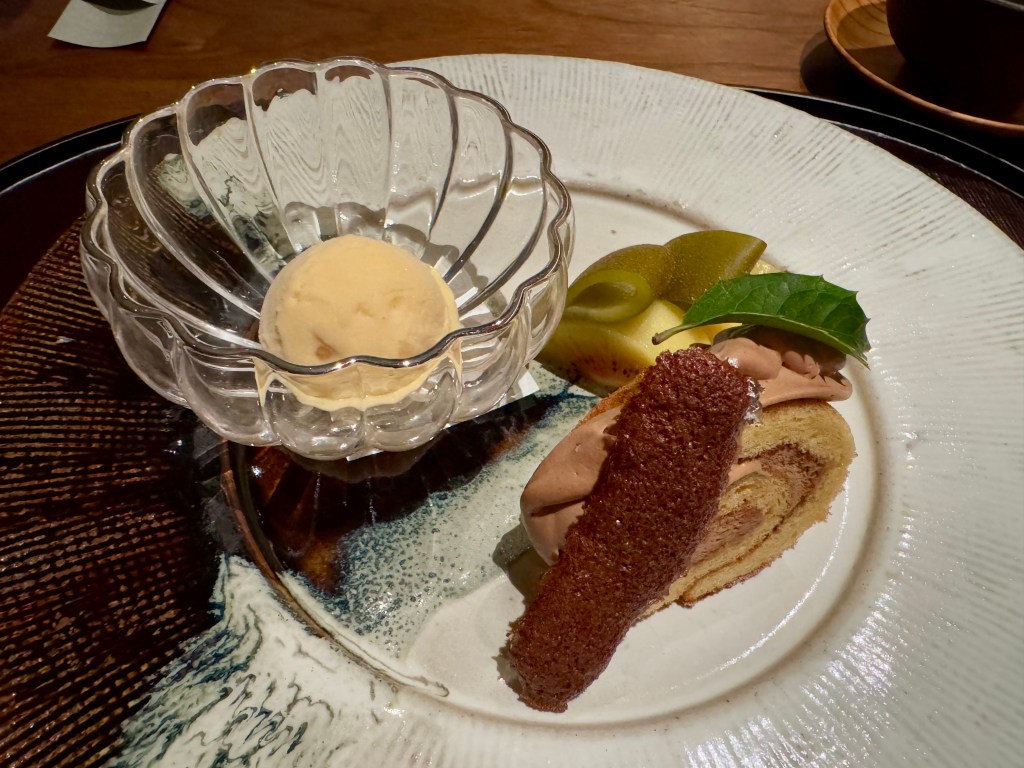
Breakfast was just as beautifully presented, but a little more abbreviated time-wise as we had to be out the door by 8:30 in order to get to the bike shop, meet our guide and check our bags for the day.
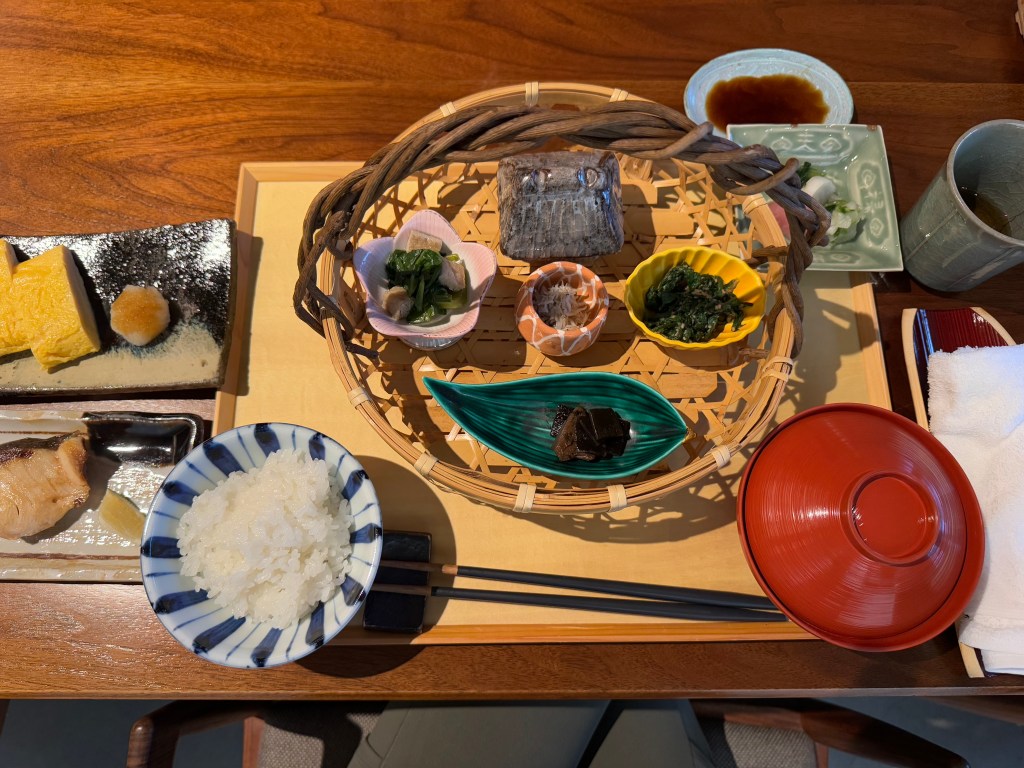
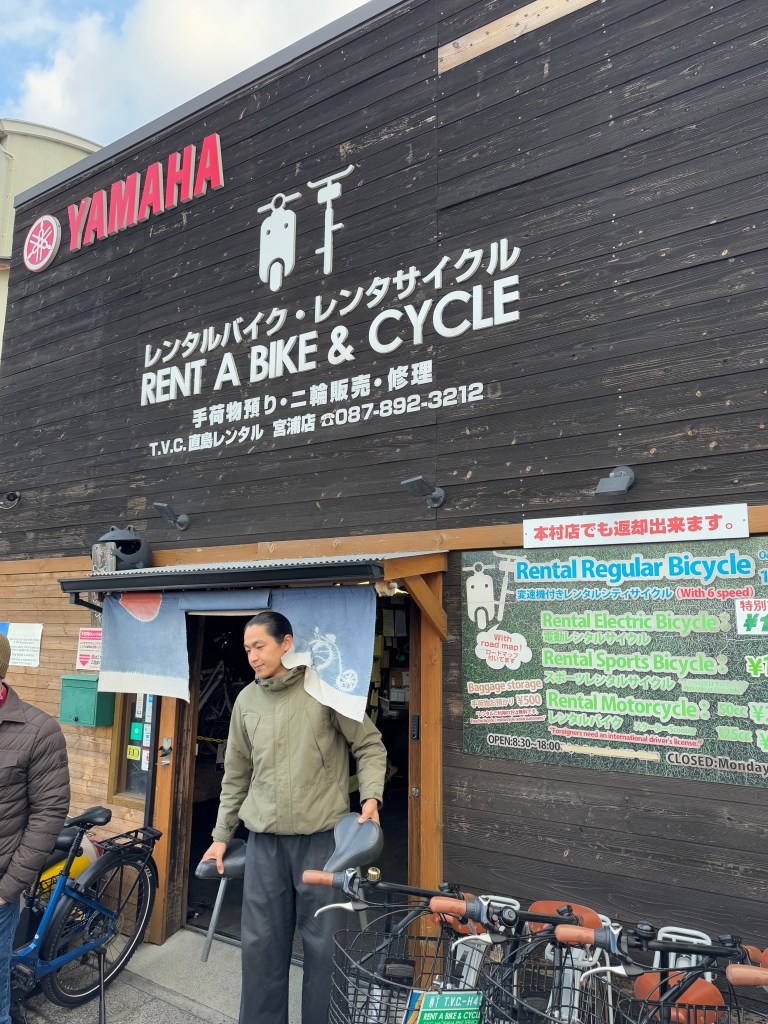
All went smoothly with breakfast and our transfer from the Ryokan to the bike shop where we picked up our e-bikes; the best way to explore the compact island. We were met by our guide Andrew, an expat American who not only planned our day but also helped arrange the bike rentals for us. I will happily provide his contact info for you if you reach out to me, he was incredibly knowledgable and fun to be with.
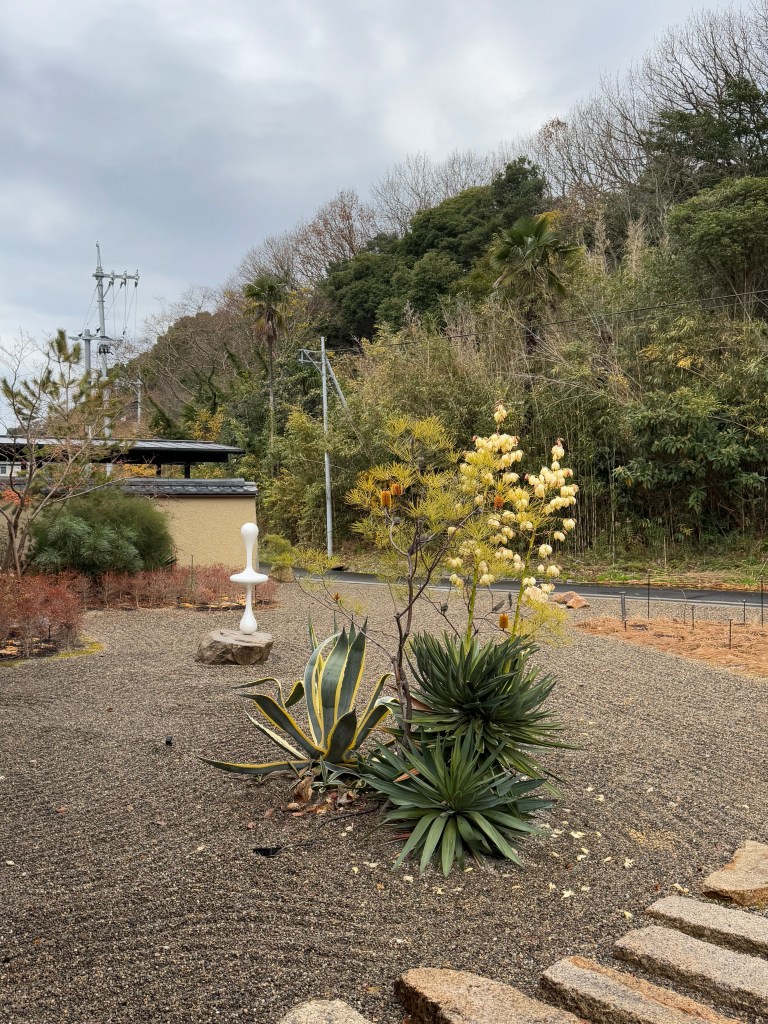
Our first stop with Andrew was Benesse House’s Valley Gallery to experience Kusama’s Narcissus Garden as well as Ozawa Tsuyoshi’s Slag Buddhas made from recycled industrial waste. The isolation and inaccessibility of the Island ensured that we were often the only ones admiring the art at any particular time.
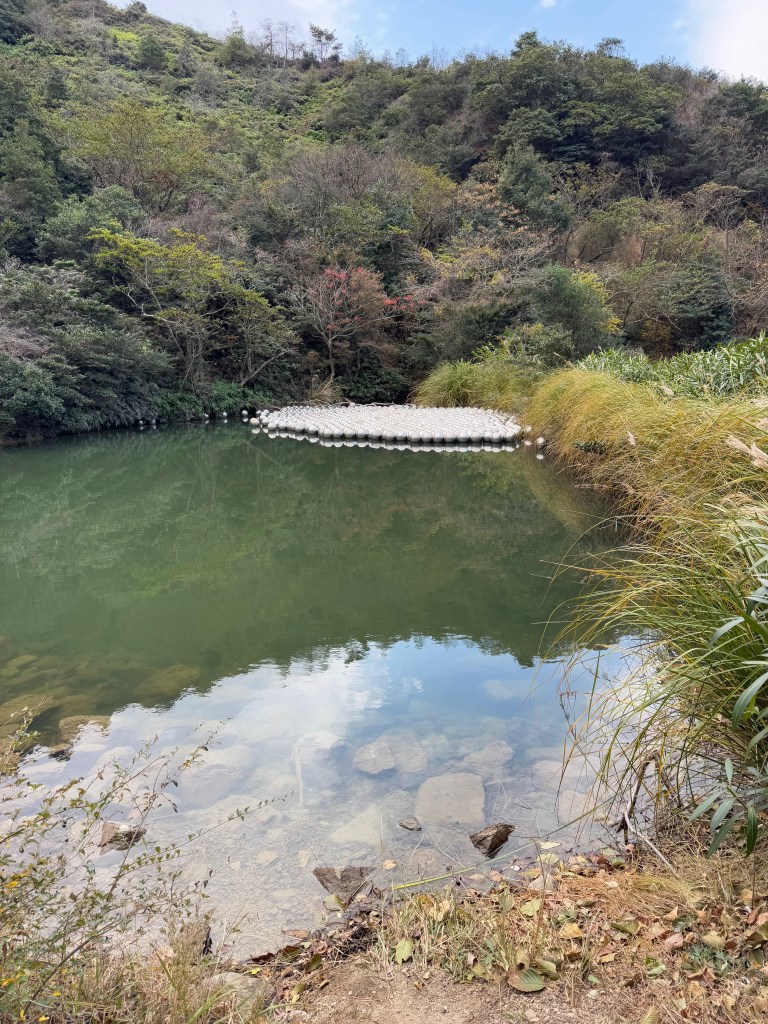


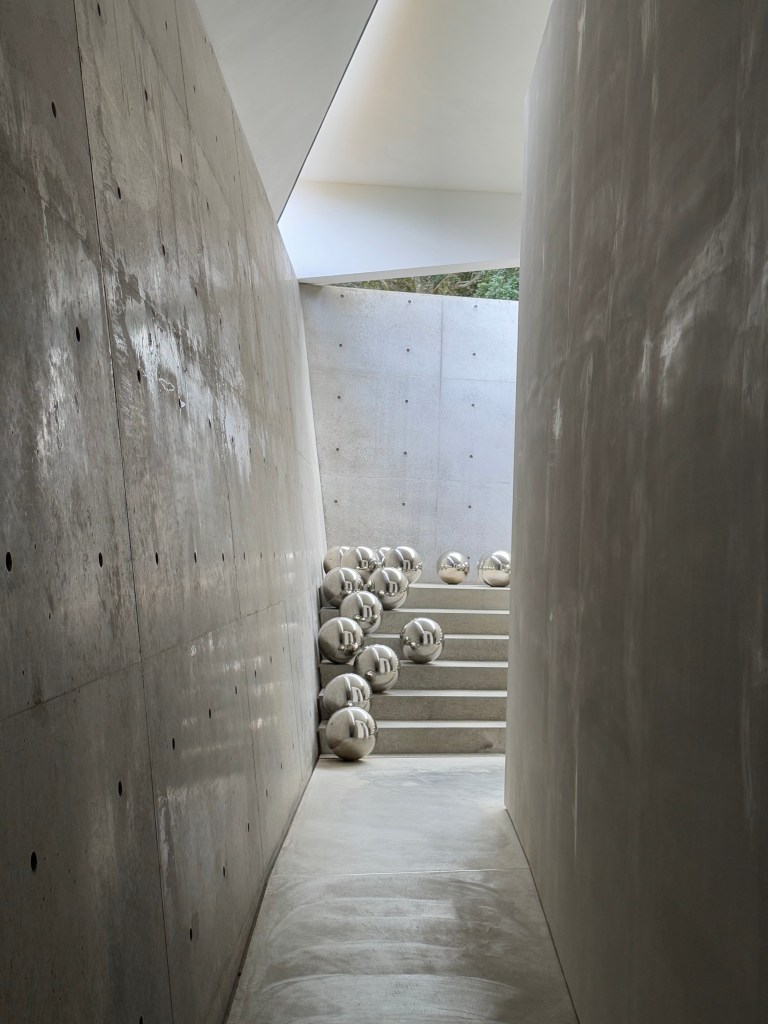
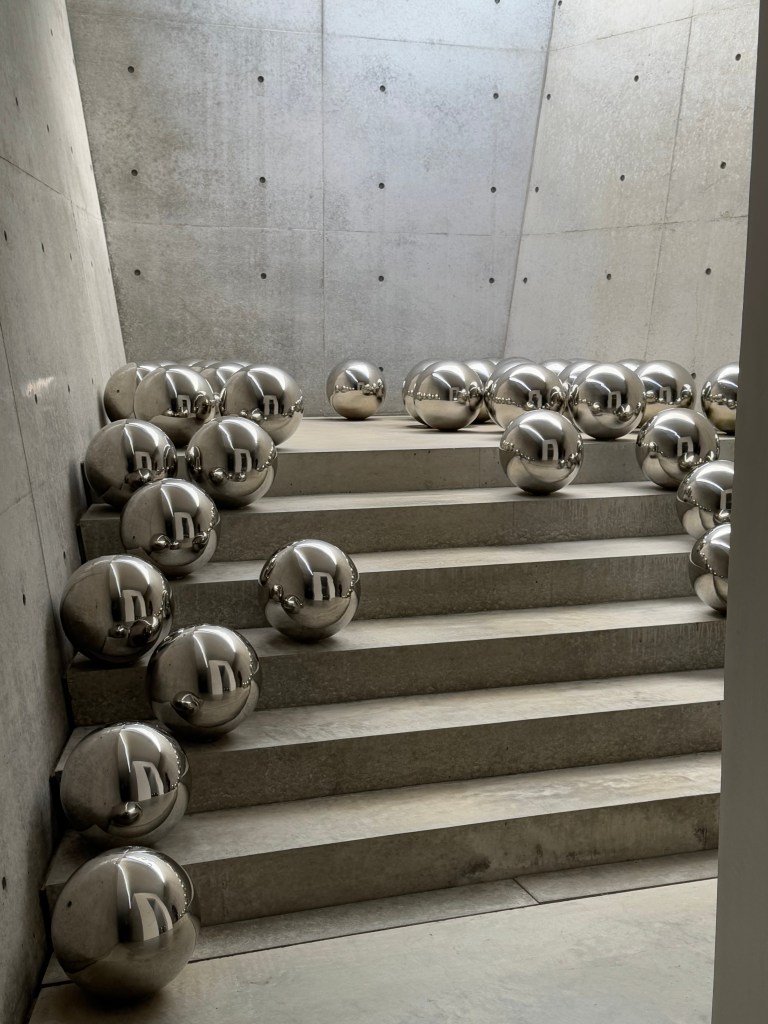
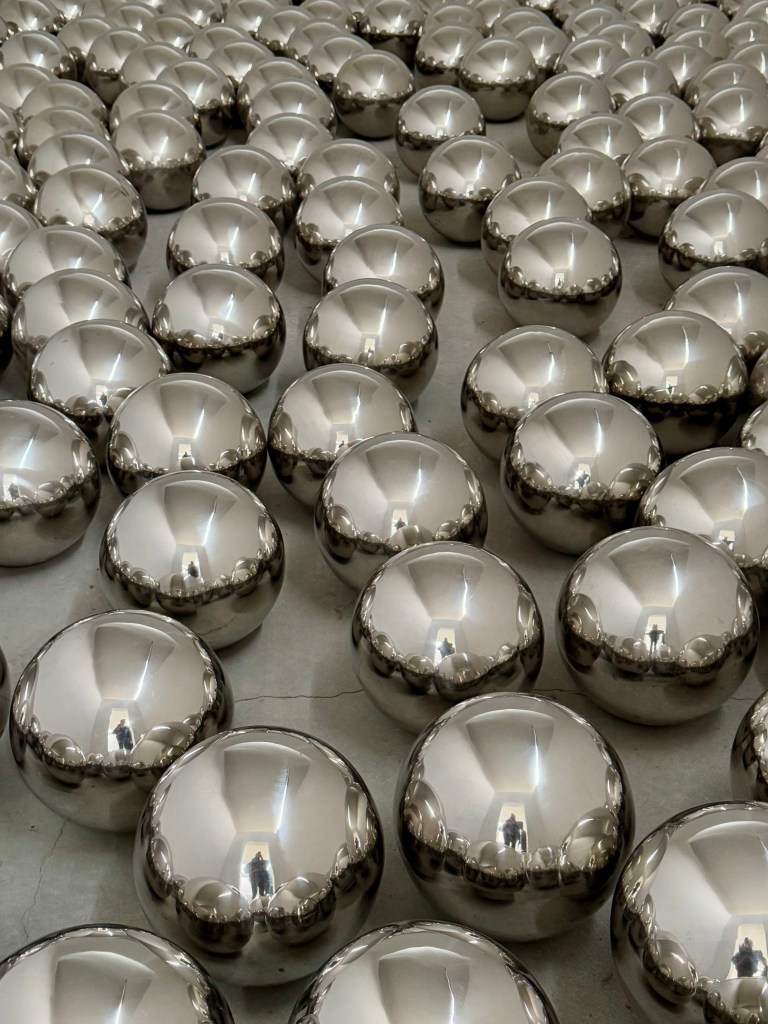
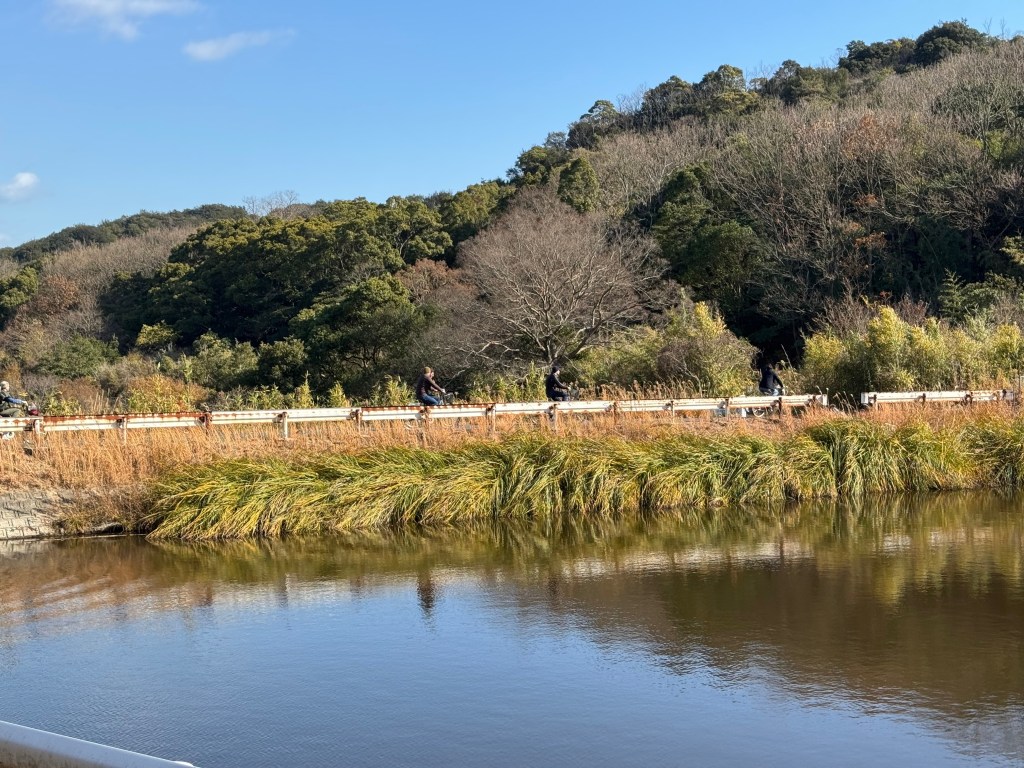
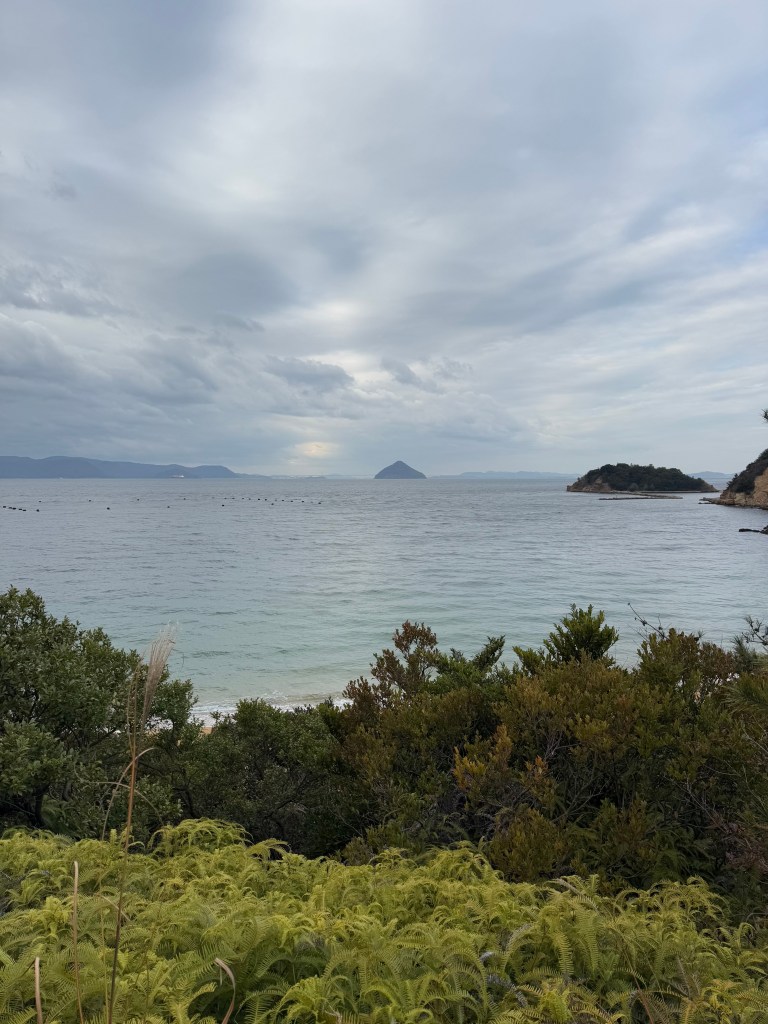
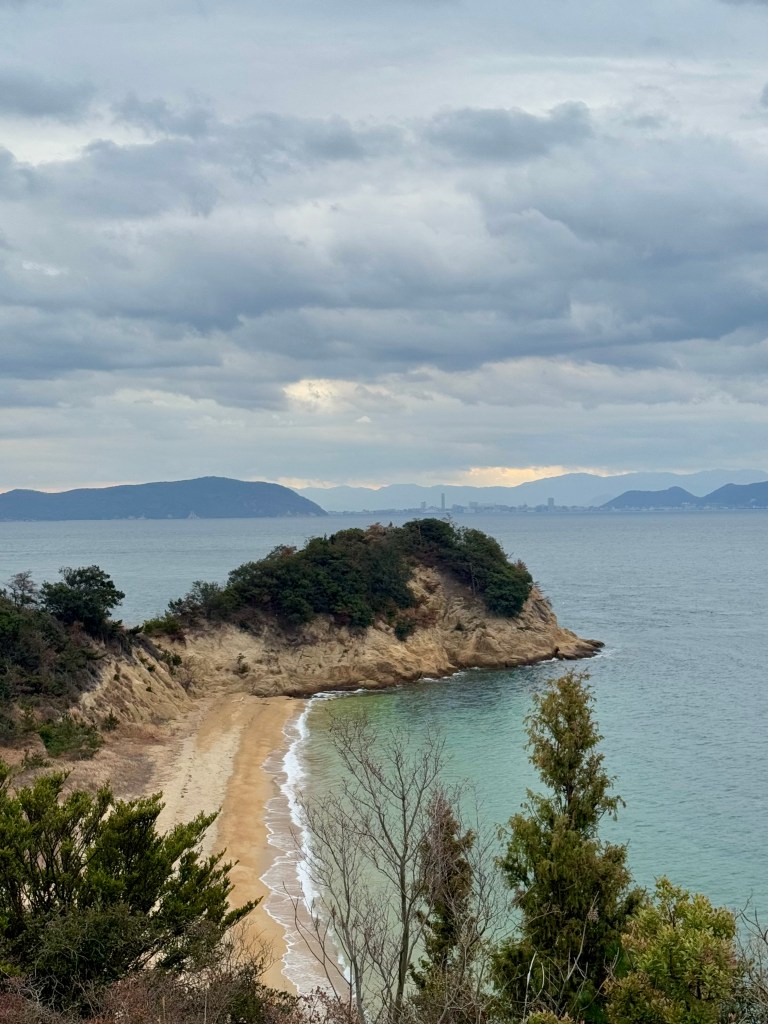
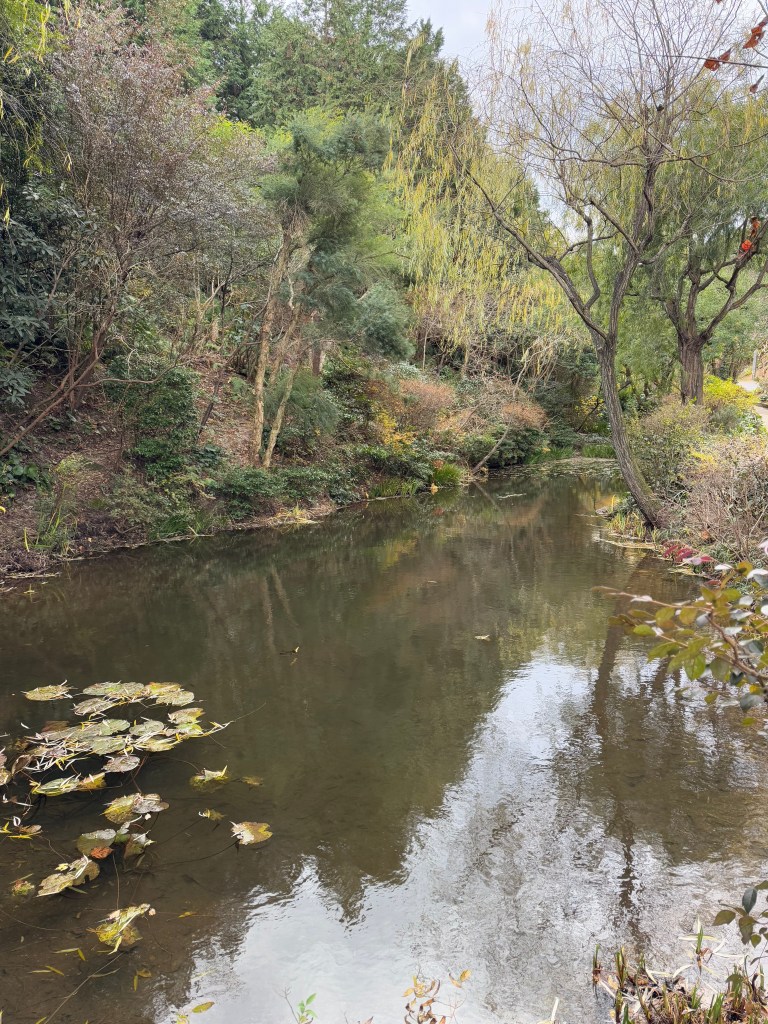
Aside from all of the outstanding art, the natural beauty of the setting was pretty spectacular.
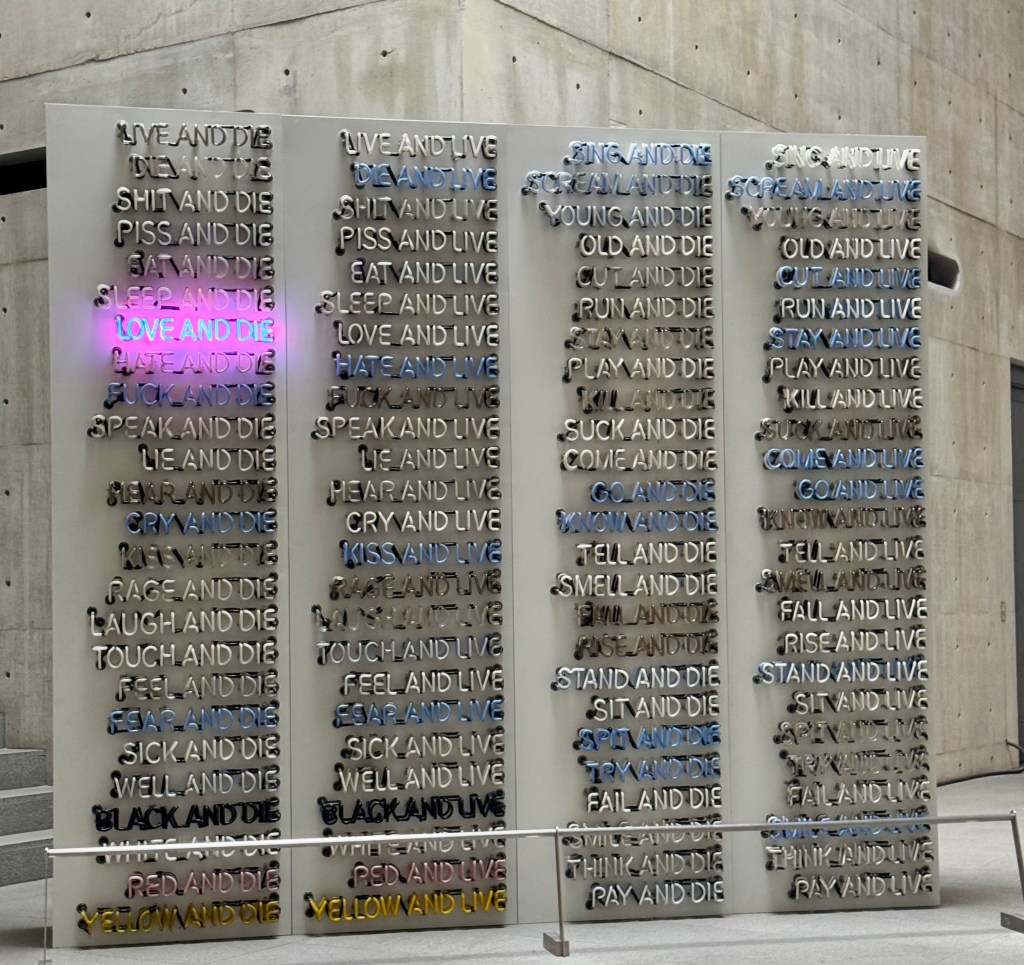
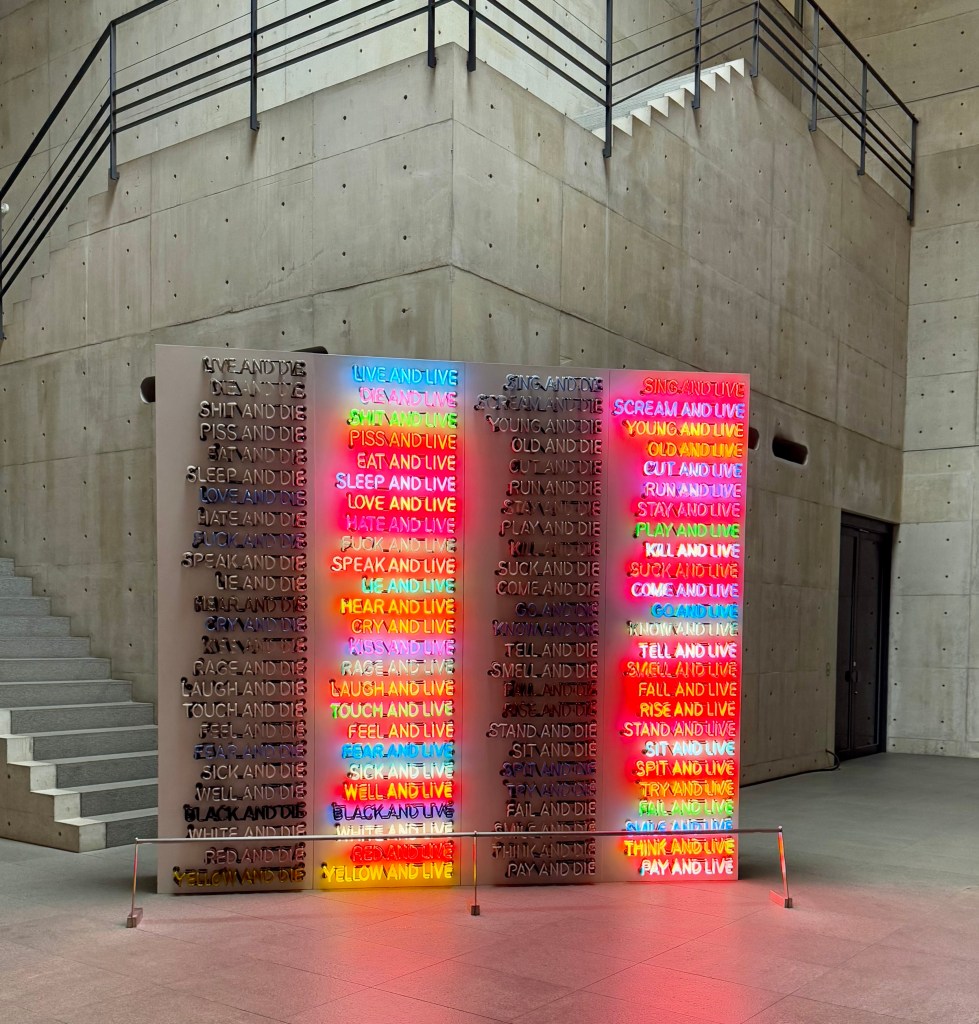
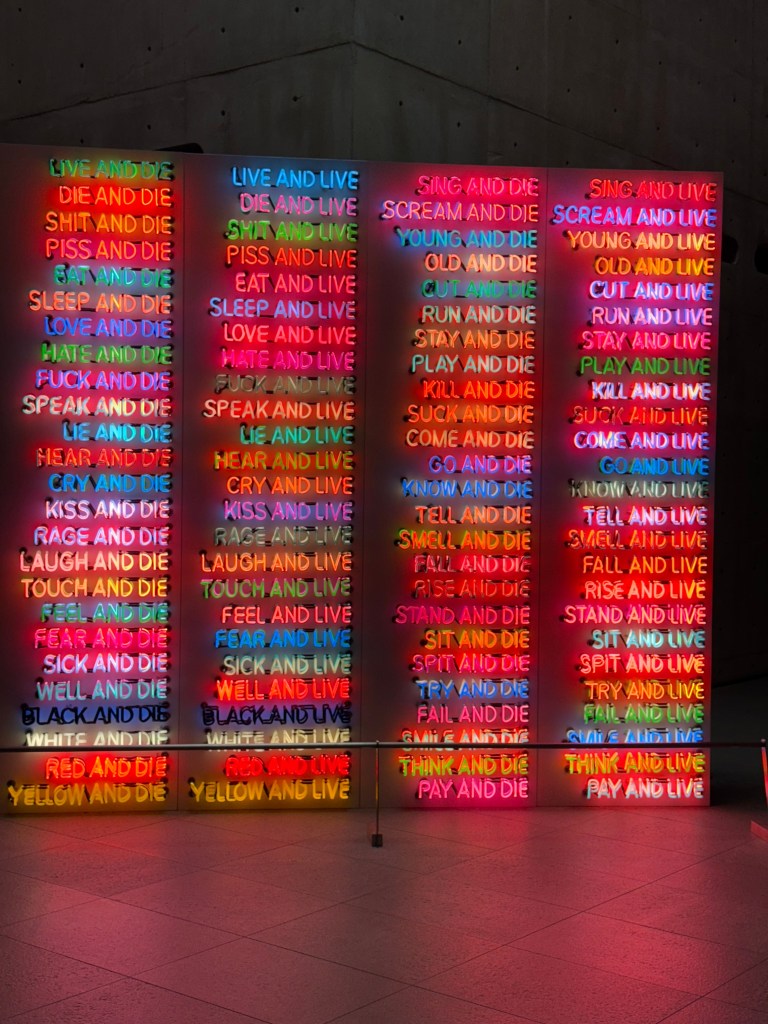
Moving inside to the Benesse House Museum itself was a treat and we could have stayed all day if we didn’t already have a full agenda. There were so many works to take in but I found myself really enchanted with Bruce Nauman’s 100 Live and Die as well as Yukinori Yanagi’s The World Flag Ant Farm.
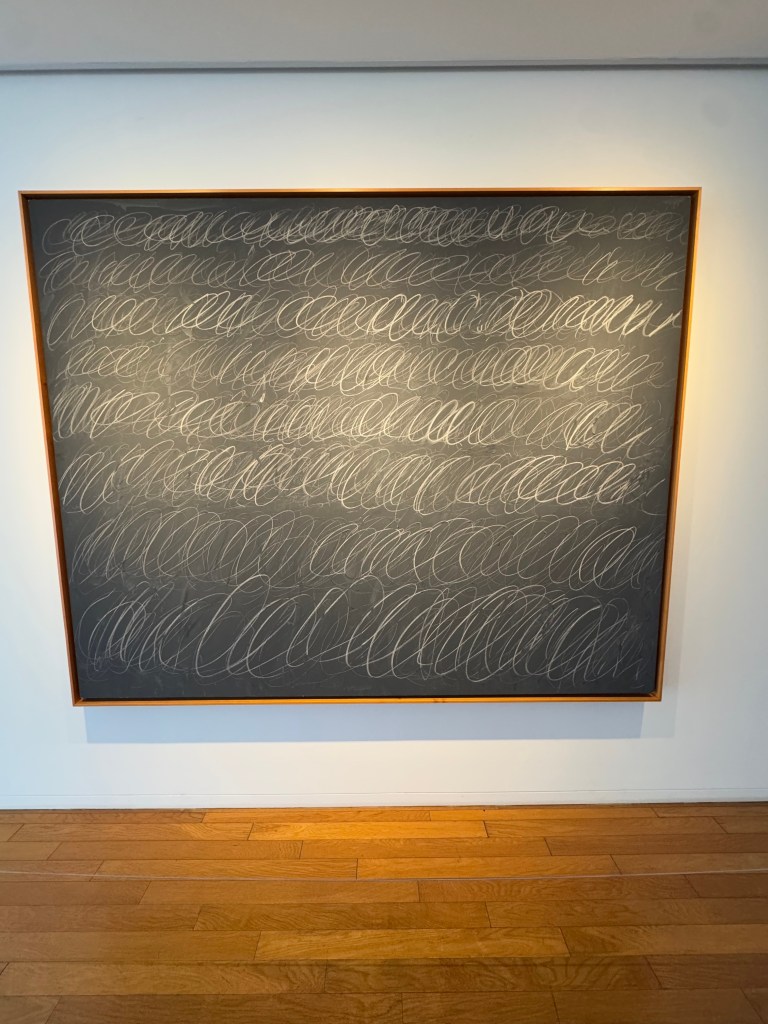
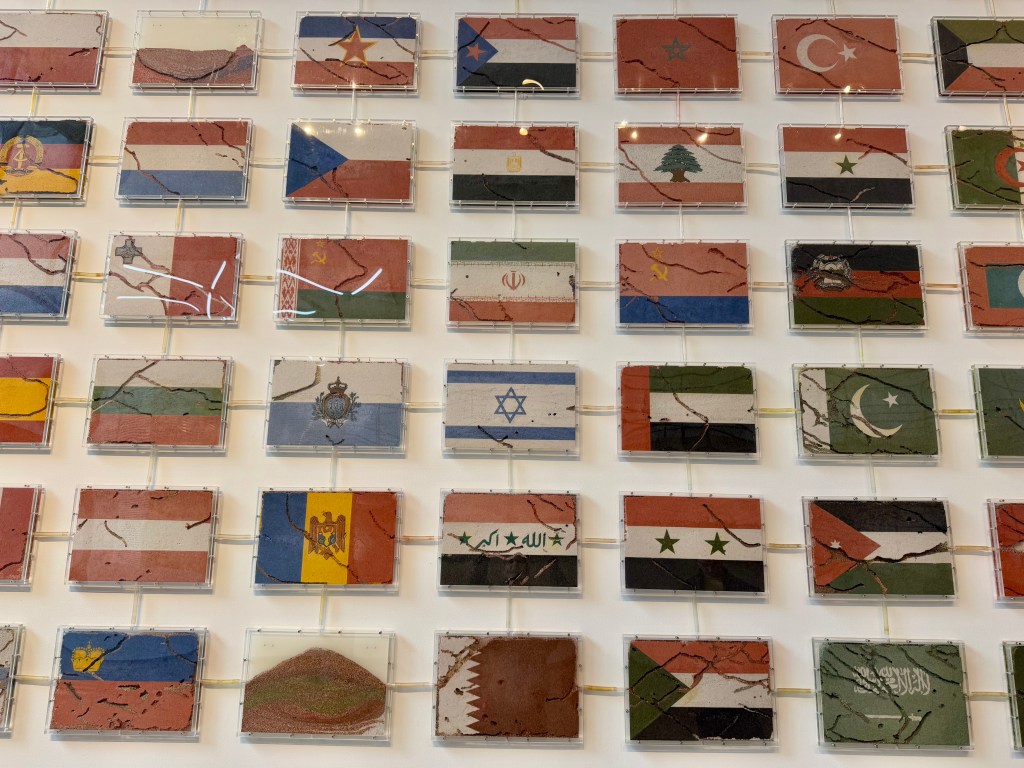
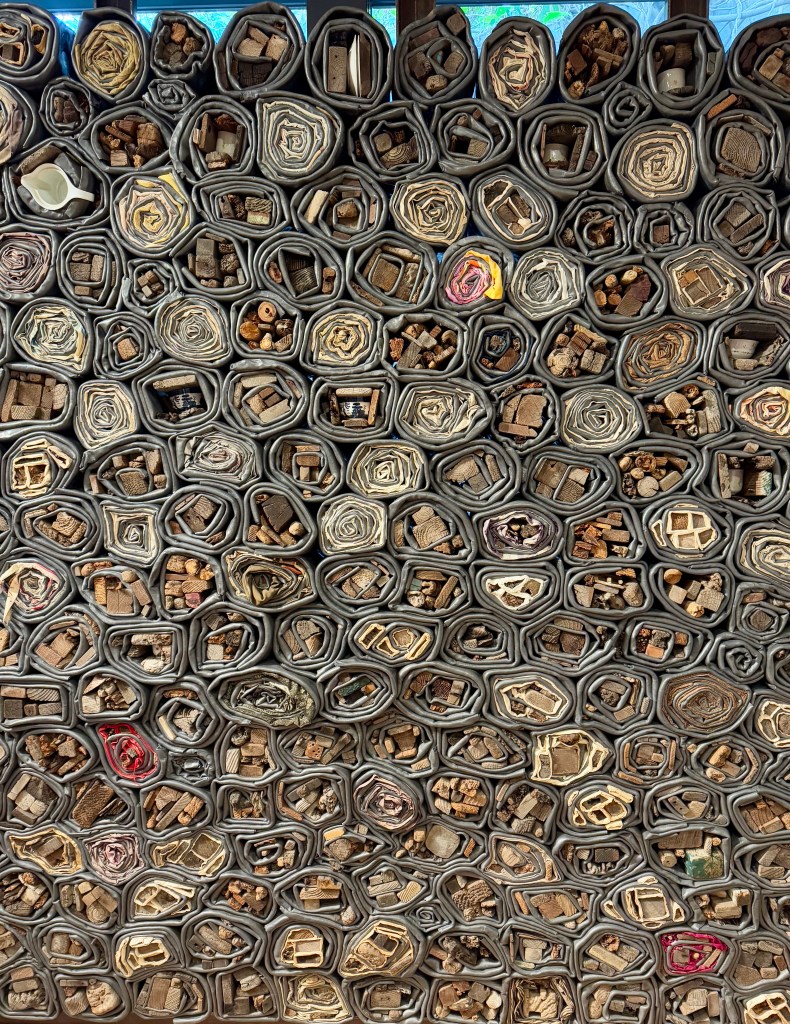
No surprise, Nauman’s Live or Die is right up my alley.
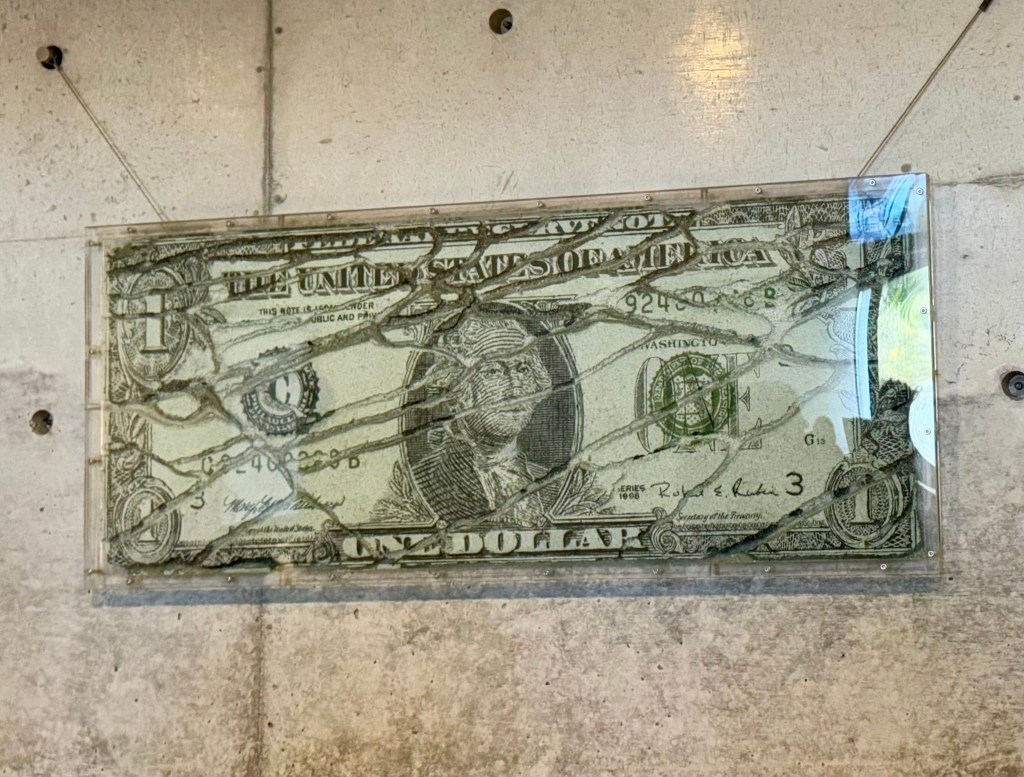
Aside from Yanagi’s ant farm flags I loved his dollar bill as well as the Giacometti.

On the way to view Kusama’s iconic Yellow Pumpkin we passed several Niki De Sant Phalle sculptures which made me smile.
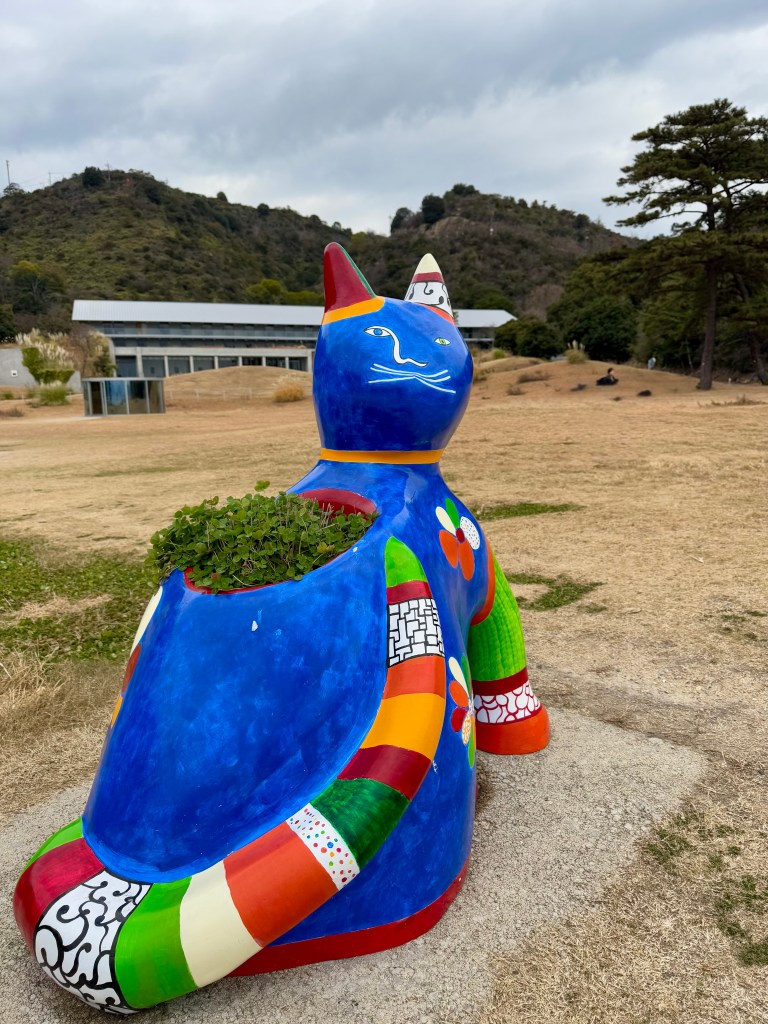
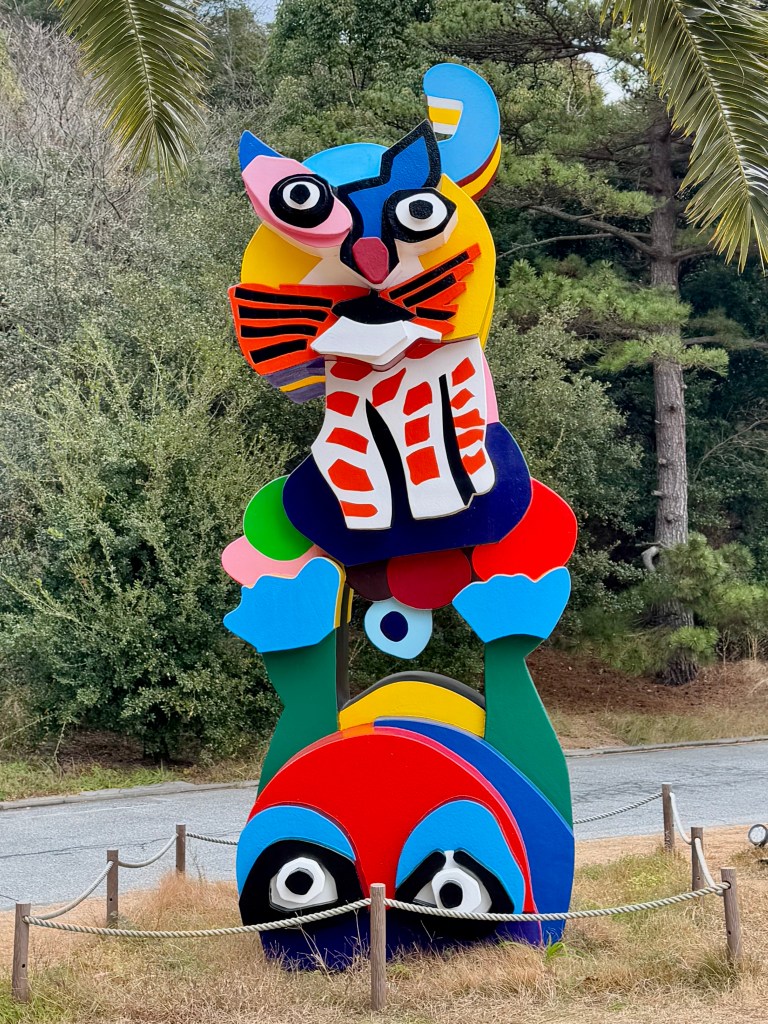
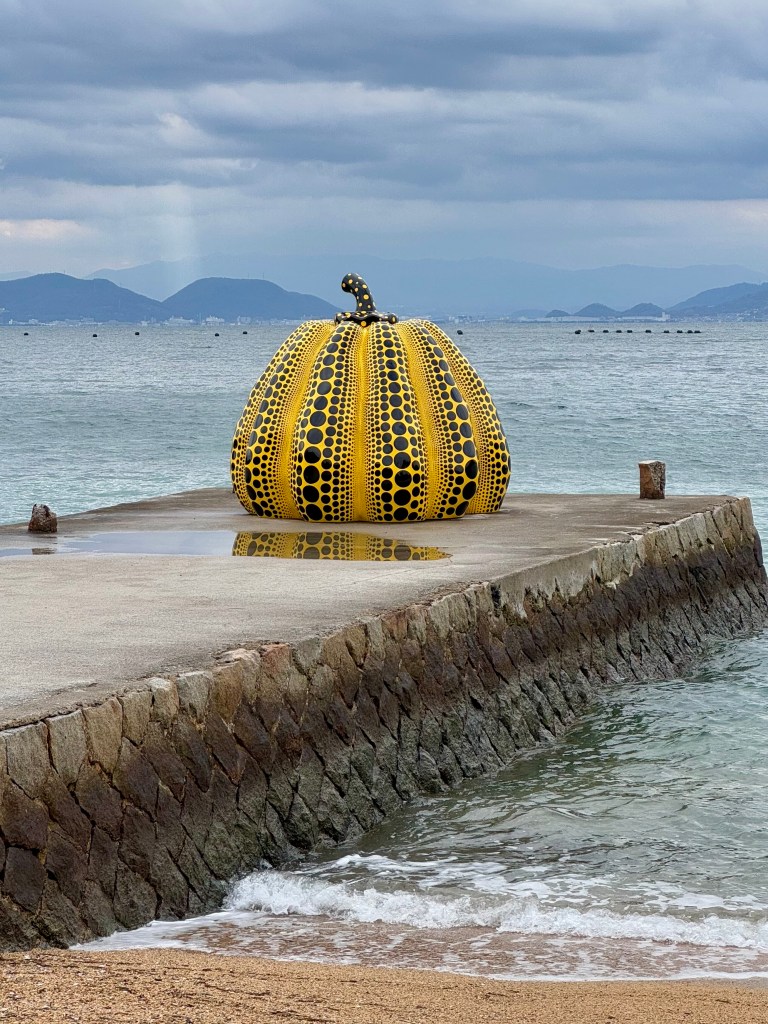
The most identifiable artwork associated with Naoshima Island is Yayoi Kusama’s Yellow Pumpkin sits proudly on the shore of the Seto Inland Sea.
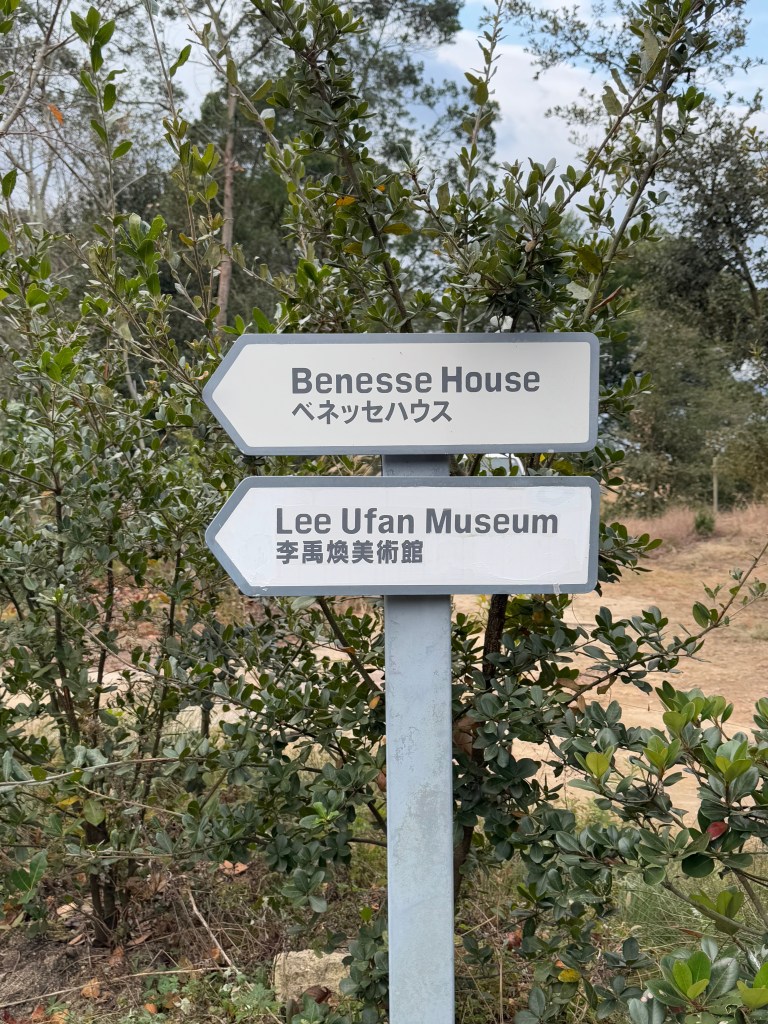
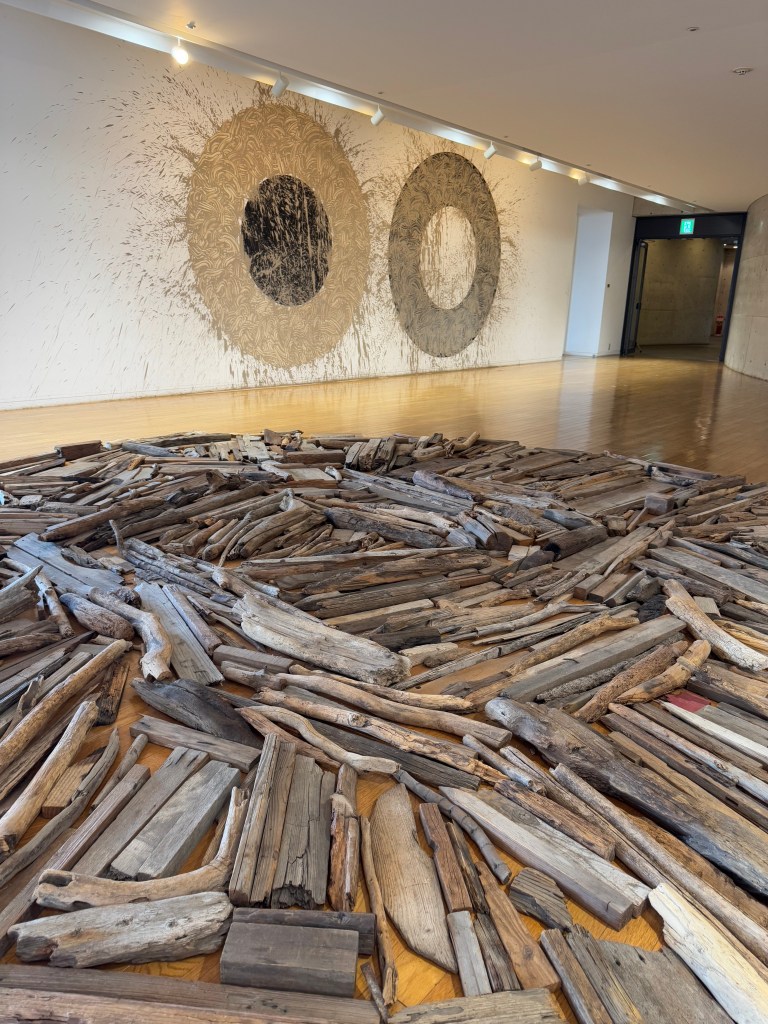
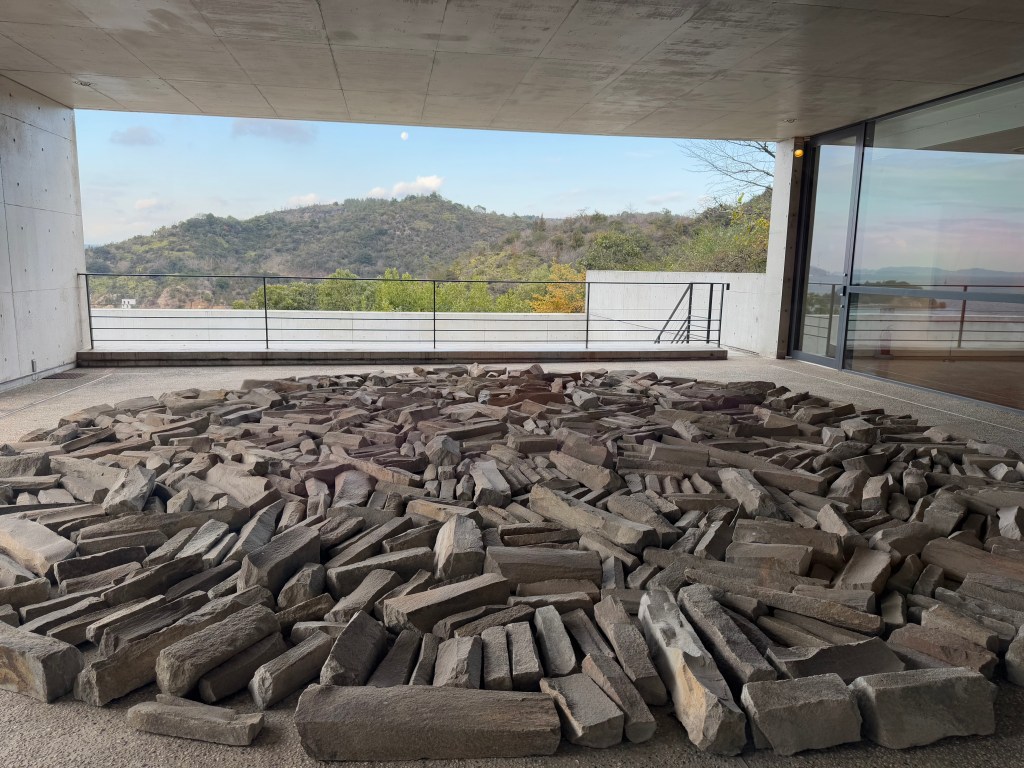
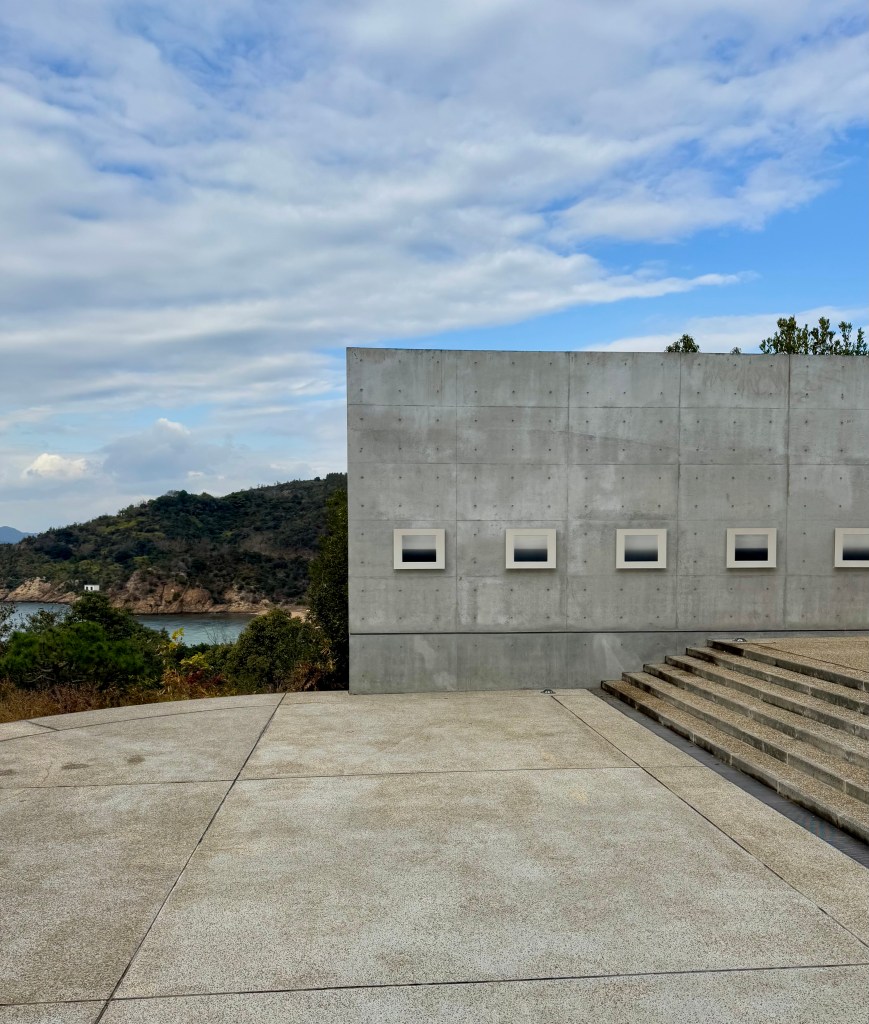
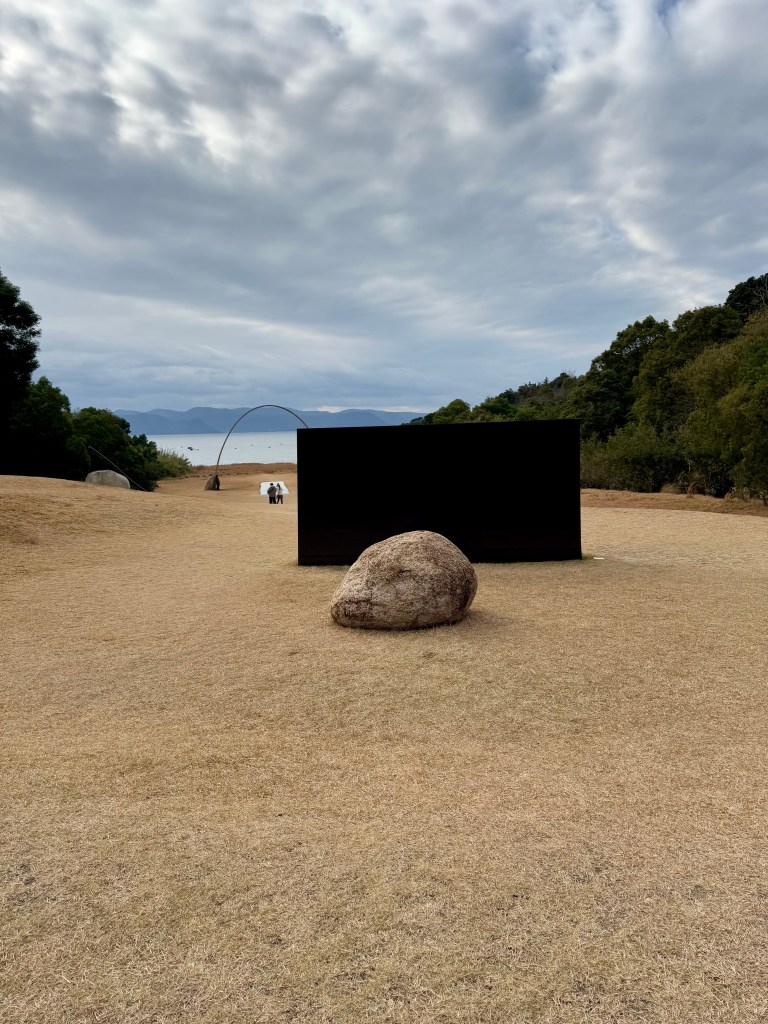
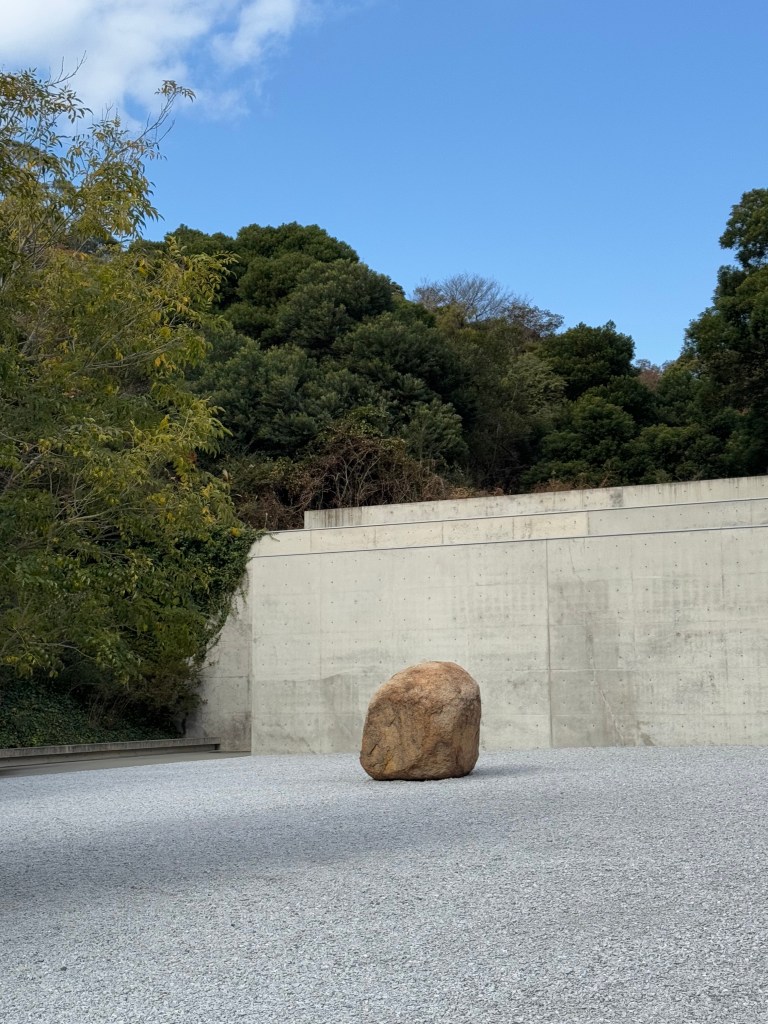
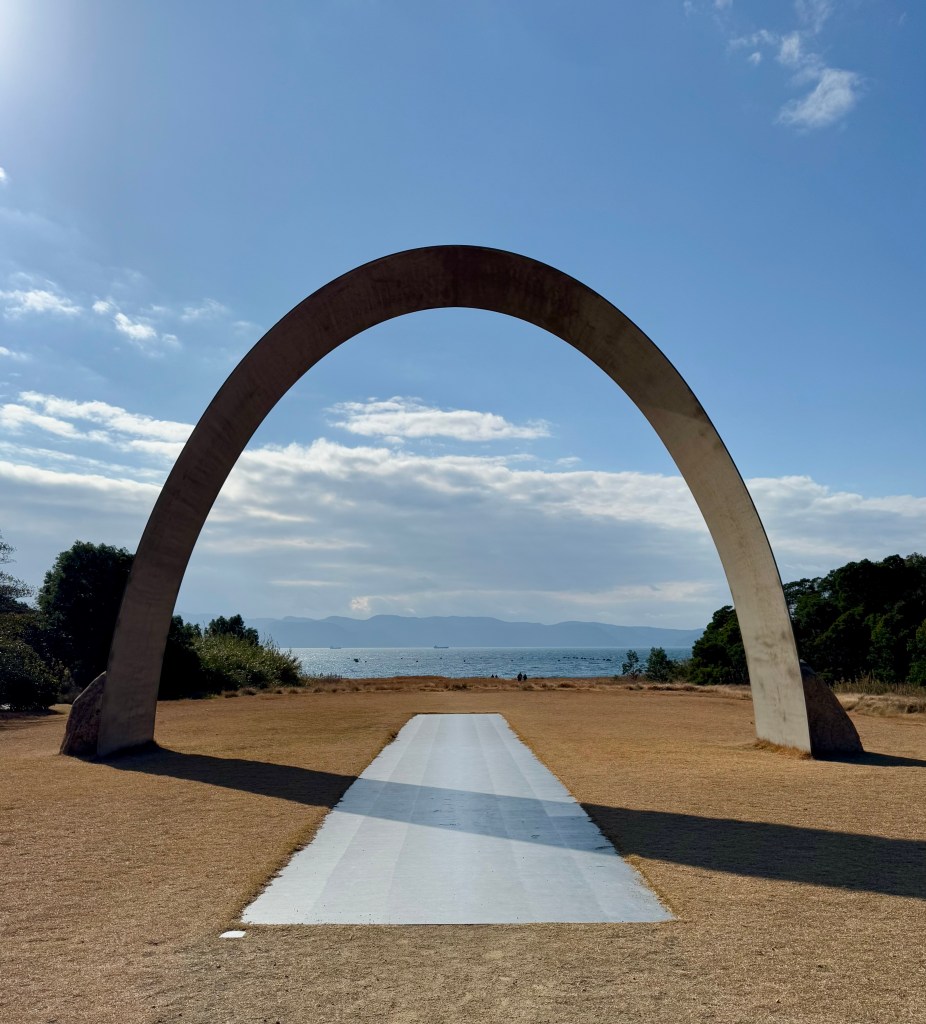
Our next stop: the Lee Ufan Museum which houses a collection of Ufan’s works both inside and out. I didn’t know much about his work before we visited, but I am now a big fan. The simplicity and incorporation of nature into his pieces is really impressive.
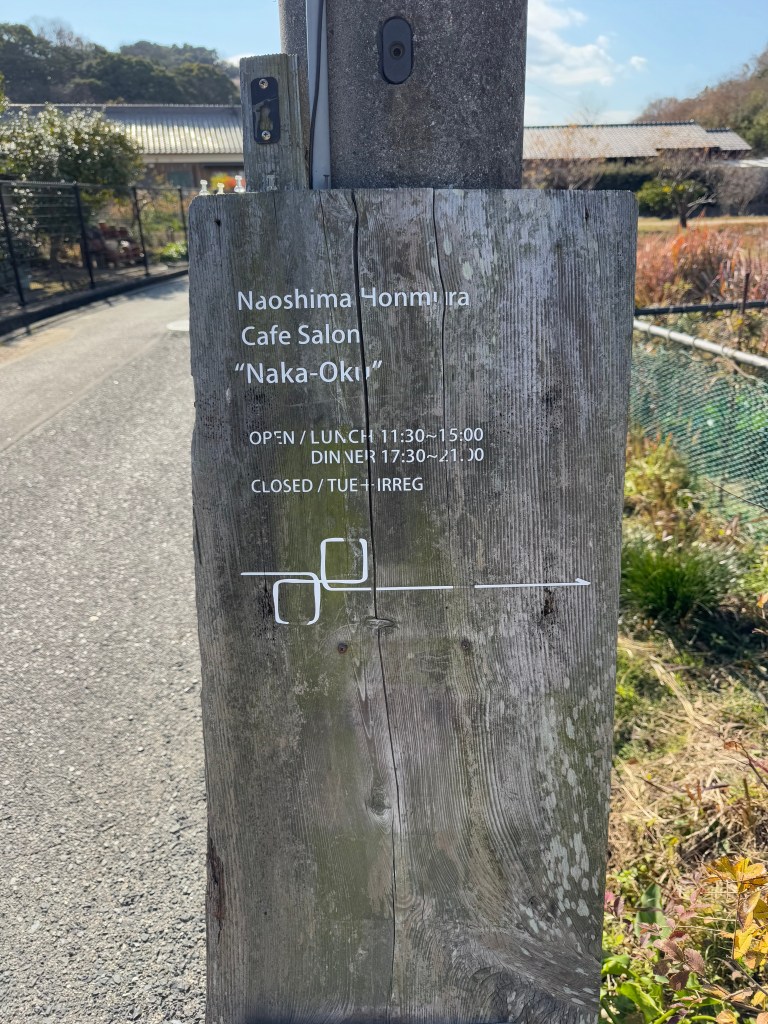
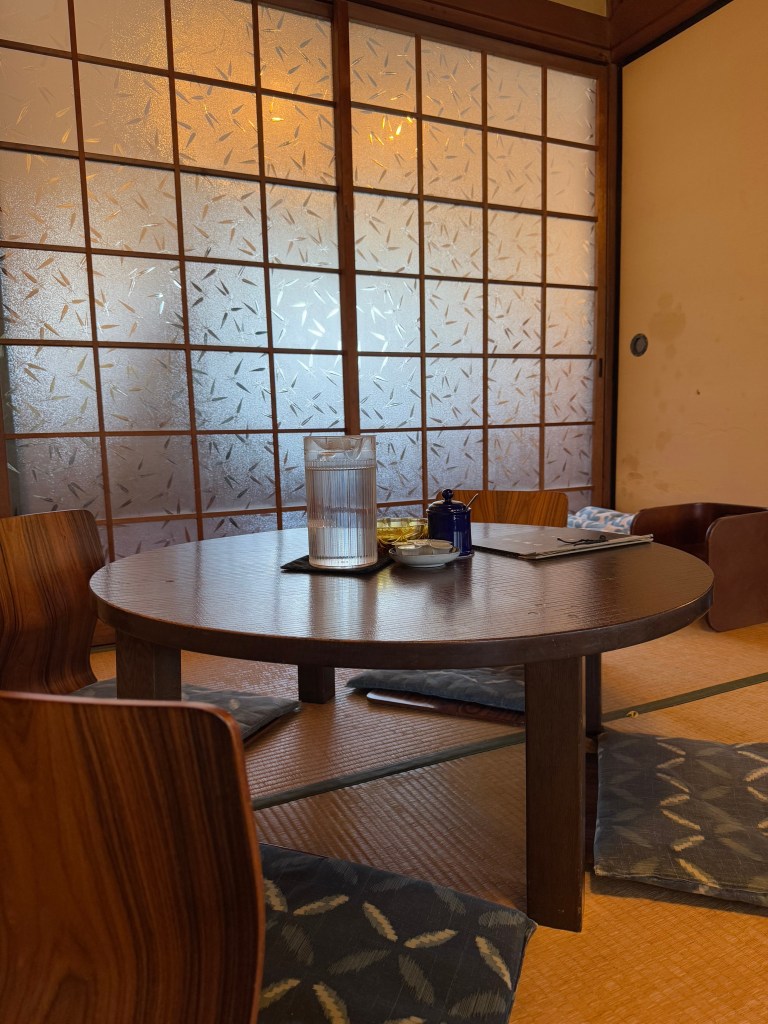
After viewing alot of art and covering quite a bit of ground on our bikes we were hungry. We stopped for lunch at Cafe Salon Naka-Oku, a very cozy well established spot convenient to all of our art exploration. We had heard they had incredible omurice (a rice omelette with tomato sauce) and that was indeed the case, it was the best version I have had. I chose to wash it down with olive soda (yes, that is correct) which was delicately flavored and refreshing. All in all a perfect lunch, satisfying but light enough for us to get back on our bikes.
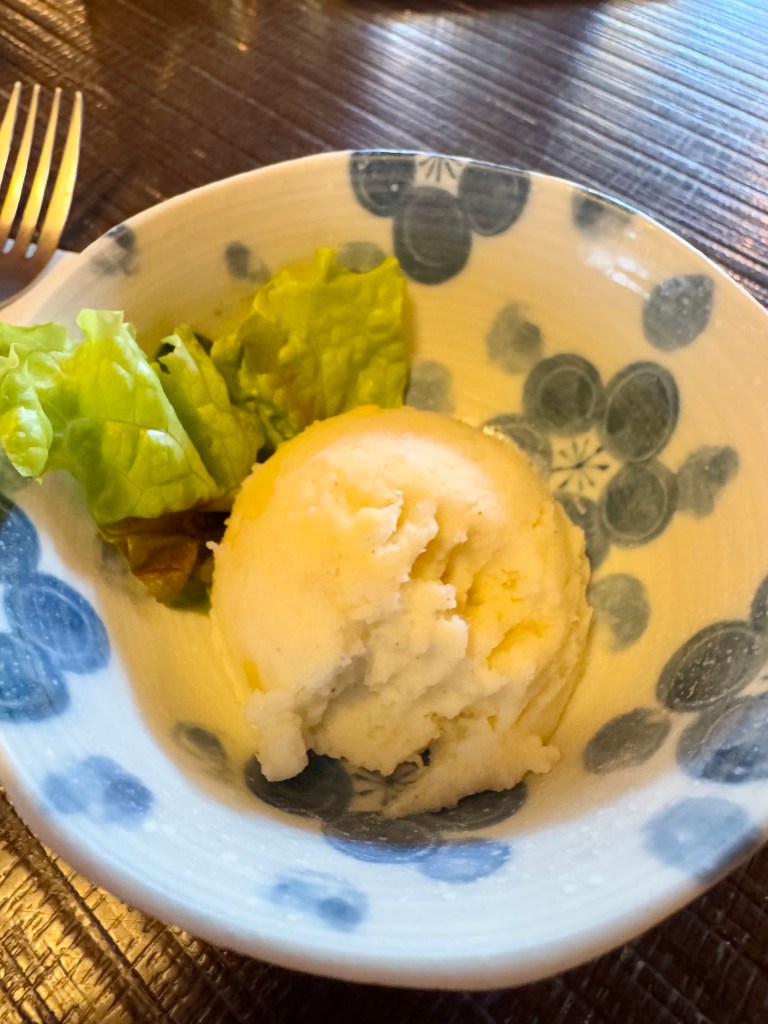
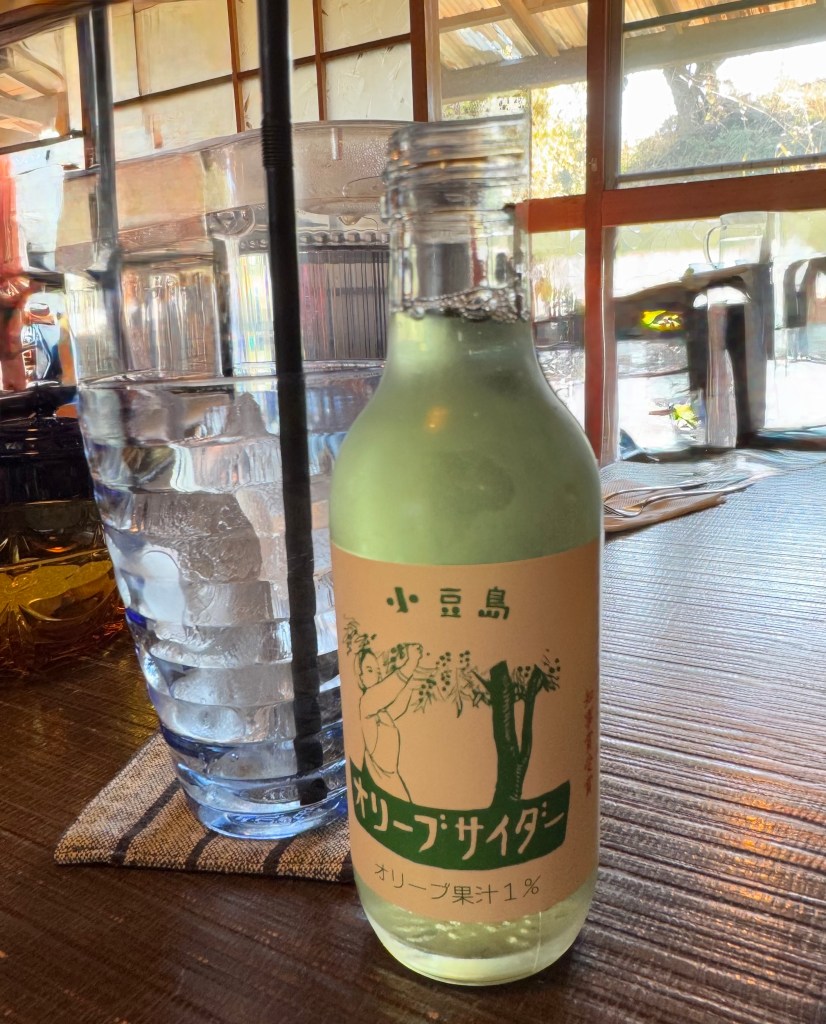
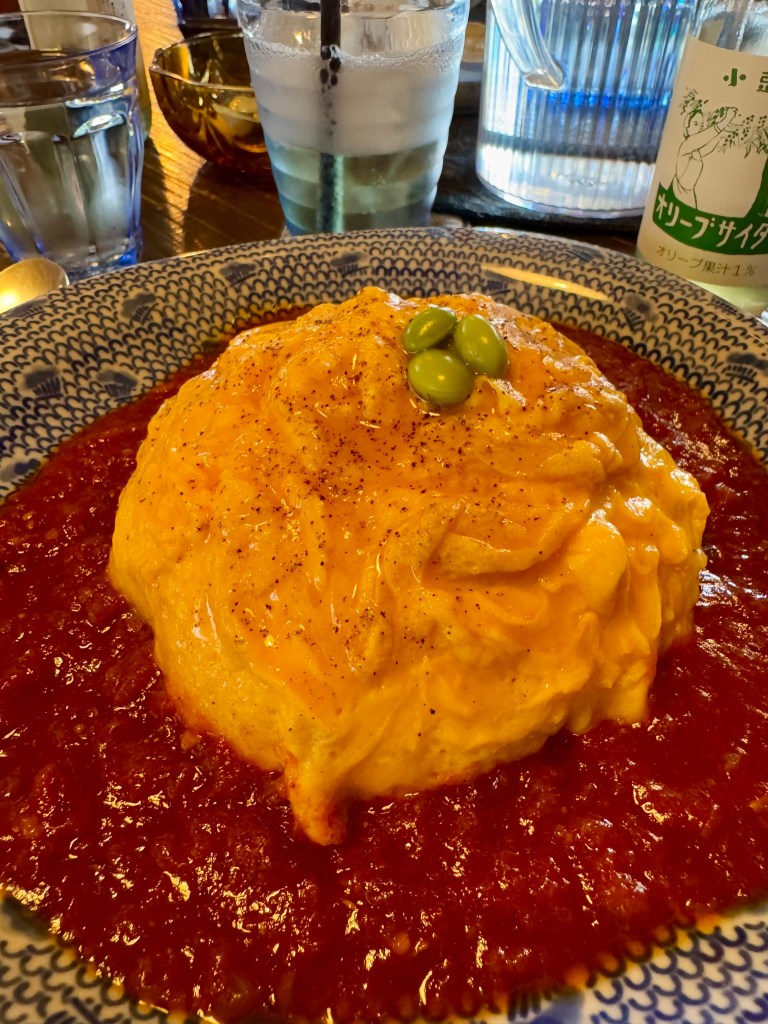
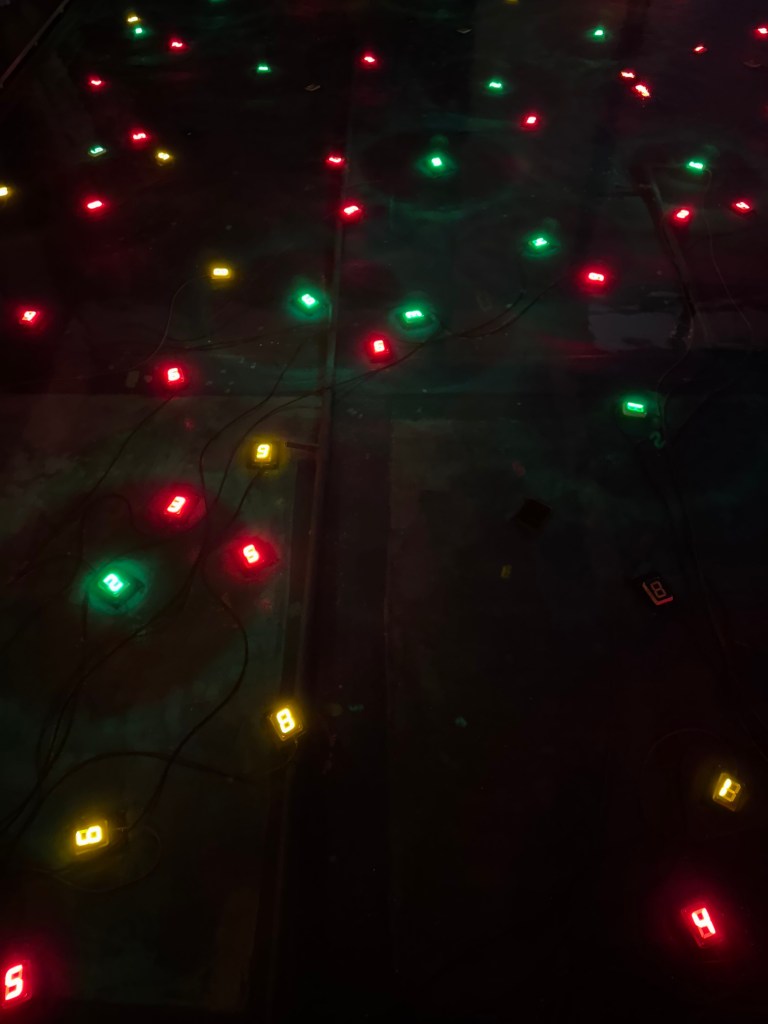
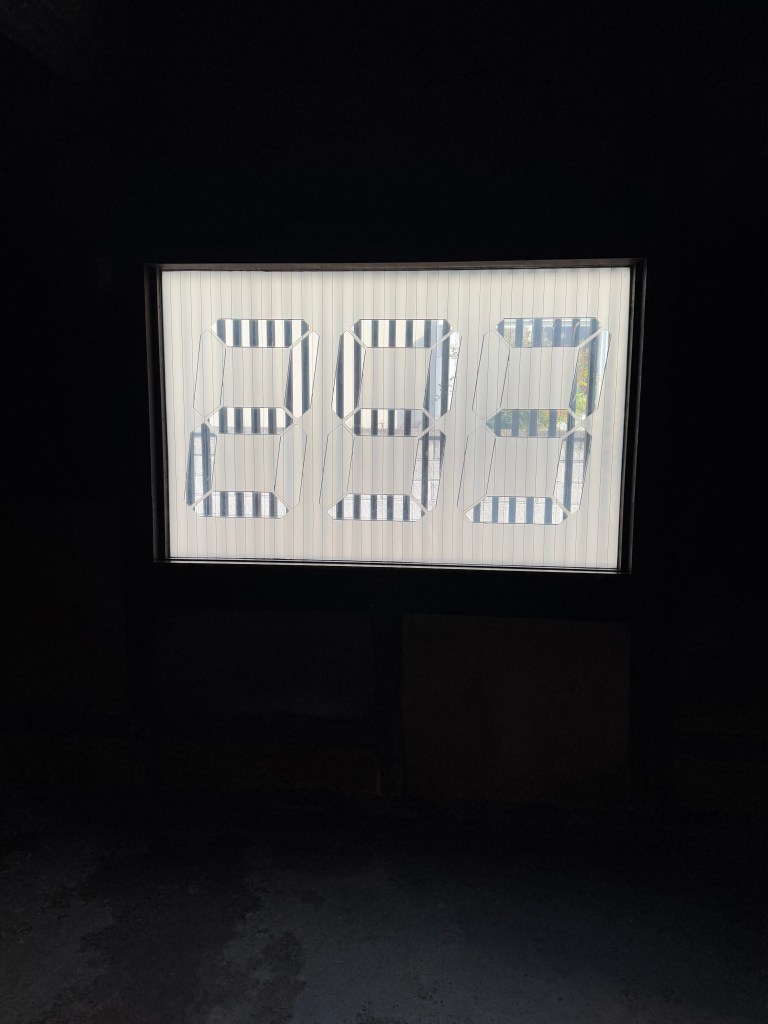
There are several exhibitions in town that require timed entry tickets, one of which was an incredible James Turrell experience that plays with your perception of light and dark (Minamidera) as well as Tatsuo Miyajima’s sea of time (1998) and and Counter Window both featured at Kadoya a historic home transformed into a gallery. There were many more installations we wanted to see, but didn’t have the time.

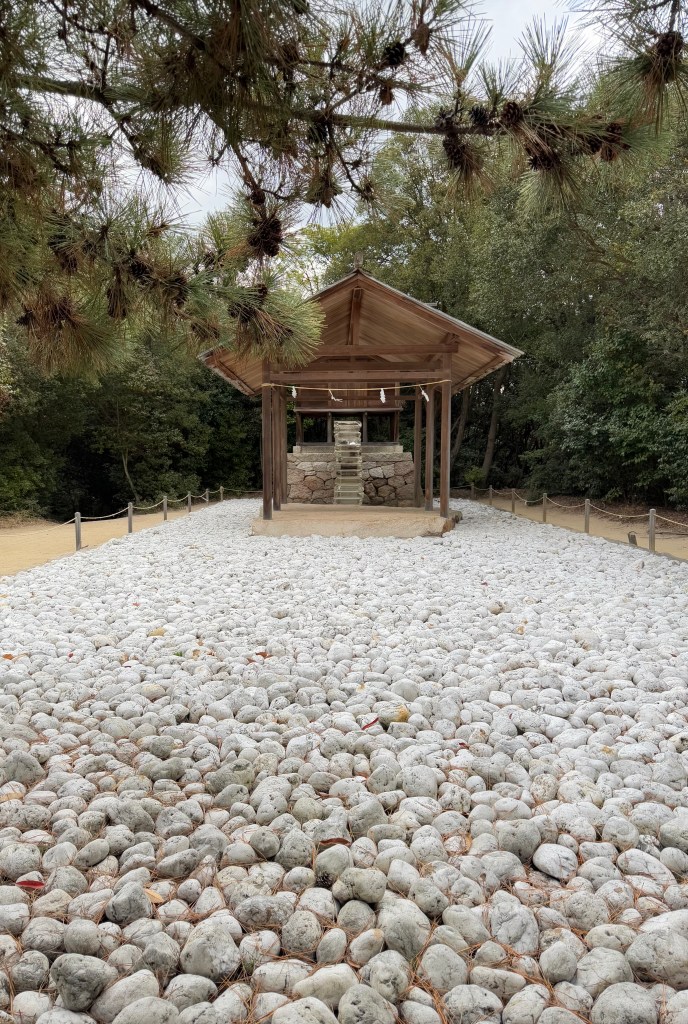
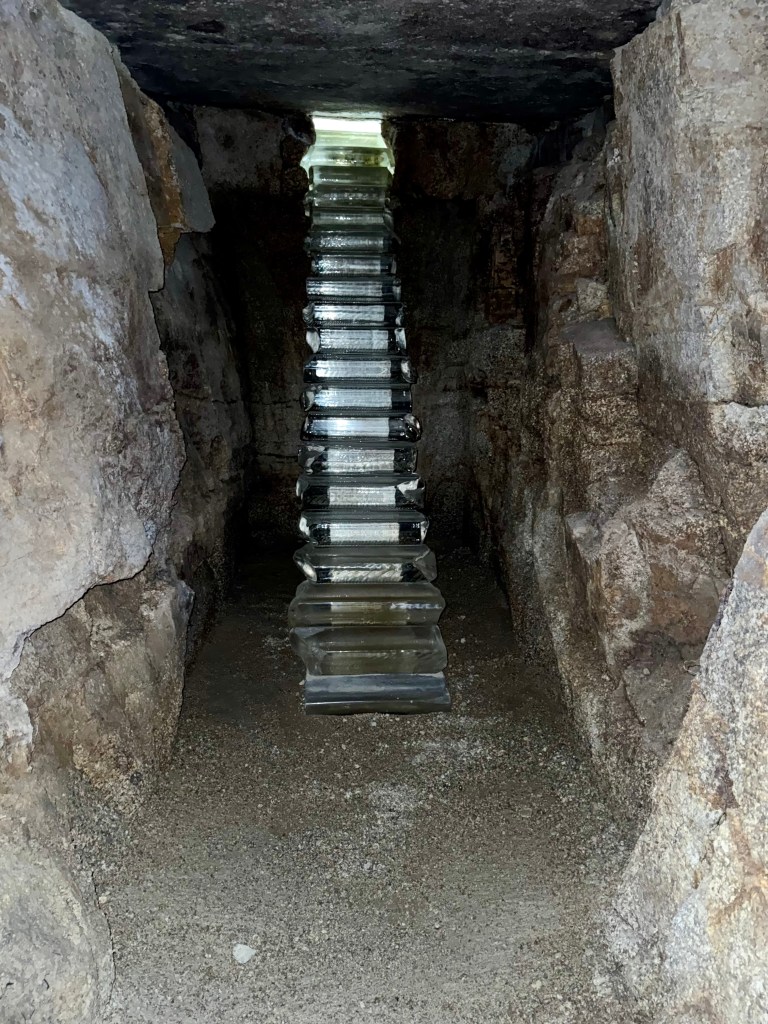
One of my favorite artworks we visited was installed at the Go’o shrine which has been worshipped since the Edo period where artist Hiroshi Sugimoto created a glass staircase that can be viewed both above-ground and below. Entitled Appropriate Proportion this work really resonated with me.


Our last stop of the day before we rode off to the ferry was the Chichu Art Museum home of an incredible installation of Monet’s Water Lilies, three James Turrell works as well as a fabulous art-space created by Walter De Maria. Alas there was no photography allowed in the Chichu, but the most remarkable feature of the museum is that all of the exhibits are illuminated solely by natural light, so each time you visit you will experience them differently.

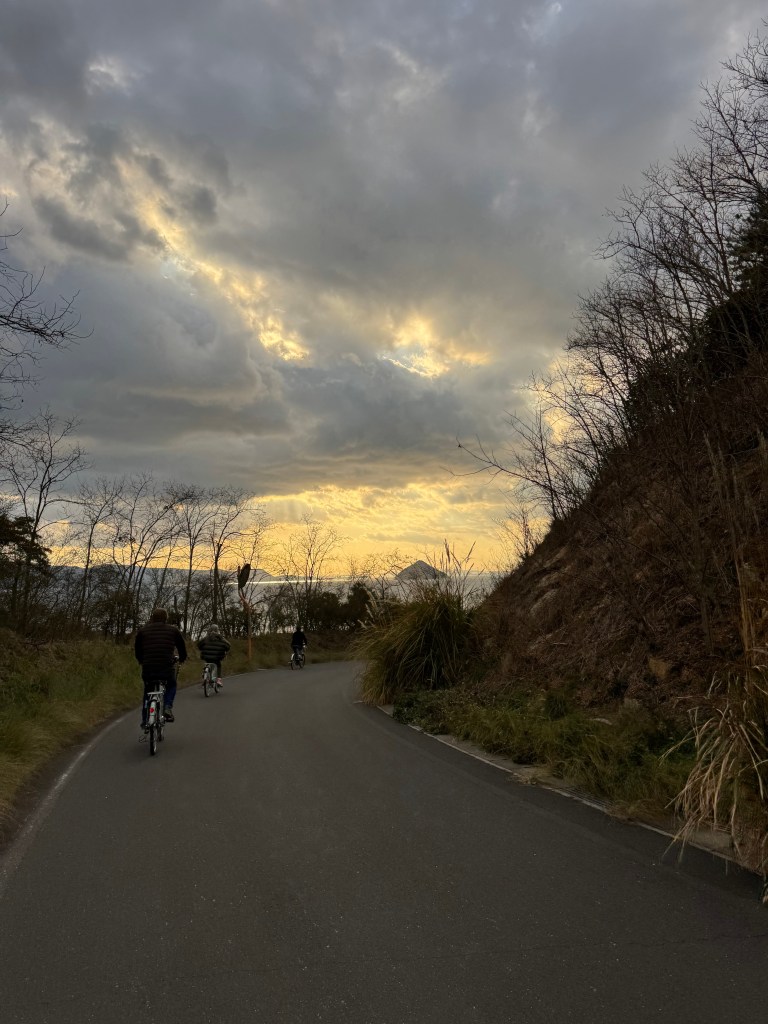
I can’t emphasize enough what a special and unforgettable experience we enjoyed visiting Naoshima; I wish we had been able to stay two nights but hopefully it will give me an excuse to return. It is worth the effort to make the detour when visiting Japan if you love art as well as unique experiences you simply must go. There are additional islands that you can add to your itinerary if you want to make a longer trip out of it.
Once we turned in our bikes, collected our bags and bid farewell to Andrew we were off to our next stop, Kurashiki.